Pre-School in Pakistan: How to Choose the Right One

Pre-School in Pakistan: How to Choose the Right One

Choosing a pre-school in Pakistan is one of the first big decisions you make as a parent. The early years shape how your child feels about learning, friends and school for a long time. With so many options in every city, it helps to have a clear checklist. This guide walks you through what matters most: age, learning style, class size, safety, values, fees and the questions to ask on a visit.

What a Good Pre-School Offers

A good pre-school is not a place that rushes children into writing and exams. Early childhood education in Pakistan works best when it builds the whole child. Look for a school that offers:

  • A warm, calm environment where children feel safe and welcome
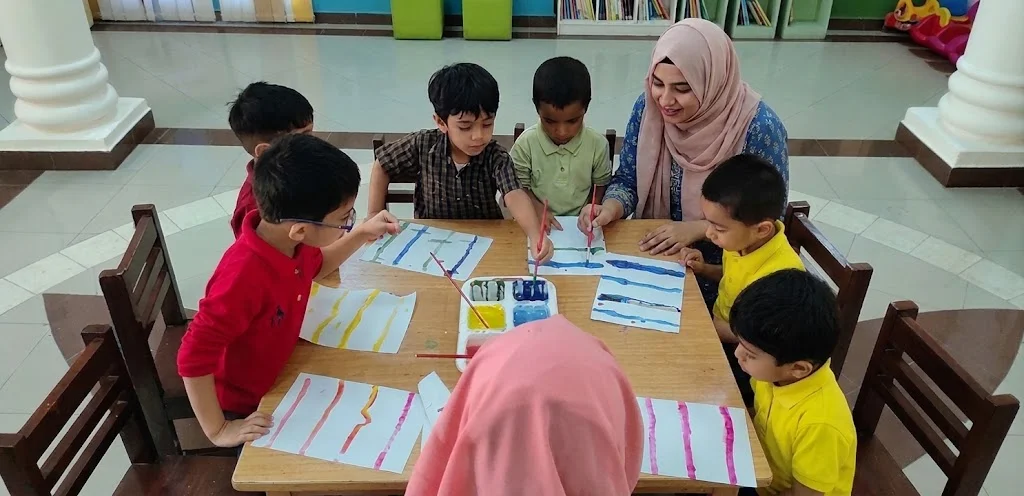
  • Time for play, stories, art, songs and simple hands-on activities
  • Gentle introduction to letters, numbers, Urdu, English and Quran basics
  • Teachers who are patient, trained and kind
  • Regular, honest communication with parents

If a school promises that your three-year-old will read fluently in a few weeks, be careful. Children grow at their own pace, and pressure at this age often does more harm than good.

Right Age to Start Pre-School

Many parents ask what age to start pre-school in Pakistan. Most schools take children into play group or nursery between about two and a half and four years old, and then move them into prep or kindergarten. The exact age bands differ from school to school, so ask each one how it groups children.

Instead of focusing only on age, look at readiness. Can your child spend a few hours away from you? Do they show interest in other children? Can they communicate basic needs? A short trial visit or a play group admission with shorter hours can make the first weeks easier. If your child is not ready yet, waiting a few months is fine.

Play-Based and Child-Centered Learning

Play-based learning is the most important feature to look for in a pre-school. Through play, children practice language, counting, sharing, patience and problem solving without feeling they are being tested.

Signs of real child-centered learning

  • Classrooms have corners for books, blocks, art and pretend play
  • Children’s work is displayed, and it does not all look identical
  • Teachers ask questions and listen instead of only giving instructions
  • The day has a rhythm: circle time, activity, snack, outdoor play, rest

Some schools also add age-appropriate enrichment such as simple language activities, early coding concepts through games, and educational outings. These are a bonus, but they should never replace play and emotional care.

Class Size and Teacher Attention

Young children need adult attention. In a crowded classroom, a shy or sensitive child can easily be overlooked. Smaller class sizes mean the teacher knows each child’s habits, strengths and worries.

When you visit, count the children and the adults in a room. Ask how many children are assigned to each teacher and whether there is a helper or assistant. Ask how teachers handle a child who cries, struggles to share or needs extra support. A confident, specific answer is a good sign.

Safety and Values to Look For

Safety

  • Secure gates and a clear pick-up and drop-off system
  • Clean washrooms suited to small children
  • Safe, supervised play areas with no sharp or broken equipment
  • Clear policies on health, illness and emergencies
  • Staff who are known to the school and supervised at all times

Values and character

Many families want a pre-school with Islamic values. At this age, that means simple, loving habits: saying salam, saying bismillah before eating, honesty, kindness, respect for elders and sharing. Ask how the school teaches these through daily routines and stories rather than through pressure. If you also want your child to begin Quran learning, ask whether Nazra or Hifz classes are available as they grow.

Emotional growth matters as much as academics. Schools that support personal, social and emotional development help children name their feelings, make friends and handle small disappointments.

Understanding Fees and Value

Fees vary widely across cities such as Karachi, Jhelum, Burewala and Swabi, and across schools. Rather than choosing only by price, ask for a full list of costs: admission fee, monthly tuition, annual charges, uniform, books and any activity or trip fees. Ask whether scholarships or fee support are available. The best value is a school that is affordable for your family and still delivers small classes, caring teachers and a safe setting.

Questions to Ask During a School Visit

Always visit before you enroll, ideally while classes are running. Take this list with you:

  1. What is your daily routine for the youngest children?
  2. How much of the day is play and activity?
  3. What is the maximum number of children per class?
  4. How do you keep children safe at arrival, during play and at dismissal?
  5. How do you teach good manners and values?
  6. How will I receive updates about my child’s progress?
  7. How do you help children settle in during the first weeks?
  8. What is the complete fee structure, and are there scholarship options?
  9. What happens after pre-school, and does the school continue to higher classes?

Pay attention to how children and teachers behave when they are not being watched. Happy, relaxed children are the best evidence of a good school.

Pre-School at The Right School

The Right School (TRS) runs schools from pre-school through higher secondary, so your child can grow in one familiar, values-based environment. Our approach is child-centered, with smaller class sizes, personalized attention and a strong focus on values, arts and safety. Our Personal, Social and Emotional Development (PSED) program supports children in building confidence and kindness from the early years. TRS follows a standardized education model across its network, and we offer affordability and scholarship options for families.

As children grow, they can join activities such as coding classes, language learning, Hifz and Nazra classes and educational excursions. You can browse photos and stories from school life in our school activities section, and find more parenting and school updates in our TRS blog.

Are you an entrepreneur who cares about early education and wants to bring this model to your community? Read our guide on how to open a school in Pakistan to learn what the process involves.

Final Thoughts

The best pre-school in Pakistan is not necessarily the biggest or most expensive. It is the one where your child feels safe, curious and loved, where teachers know them by name, and where your family’s values are respected. Use this checklist, visit more than one school, trust your instincts, and choose the place where your child can enjoy learning. To see our classrooms and meet our teachers, contact your nearest TRS campus and book a visit today.
School Franchise in Pakistan: Cost, Process and Benefits

School Franchise in Pakistan: Cost, Process and Benefits

A school franchise in Pakistan lets you open a school under an established name, with a proven curriculum, training and operating system already in place. For entrepreneurs who care about education, it is one of the most structured ways to enter the school business in Pakistan without building every system from zero. This guide explains how it works, what costs to expect, what is required and how the TRSC Franchise from The Right School (TRS) fits in.

What Is a School Franchise in Pakistan?

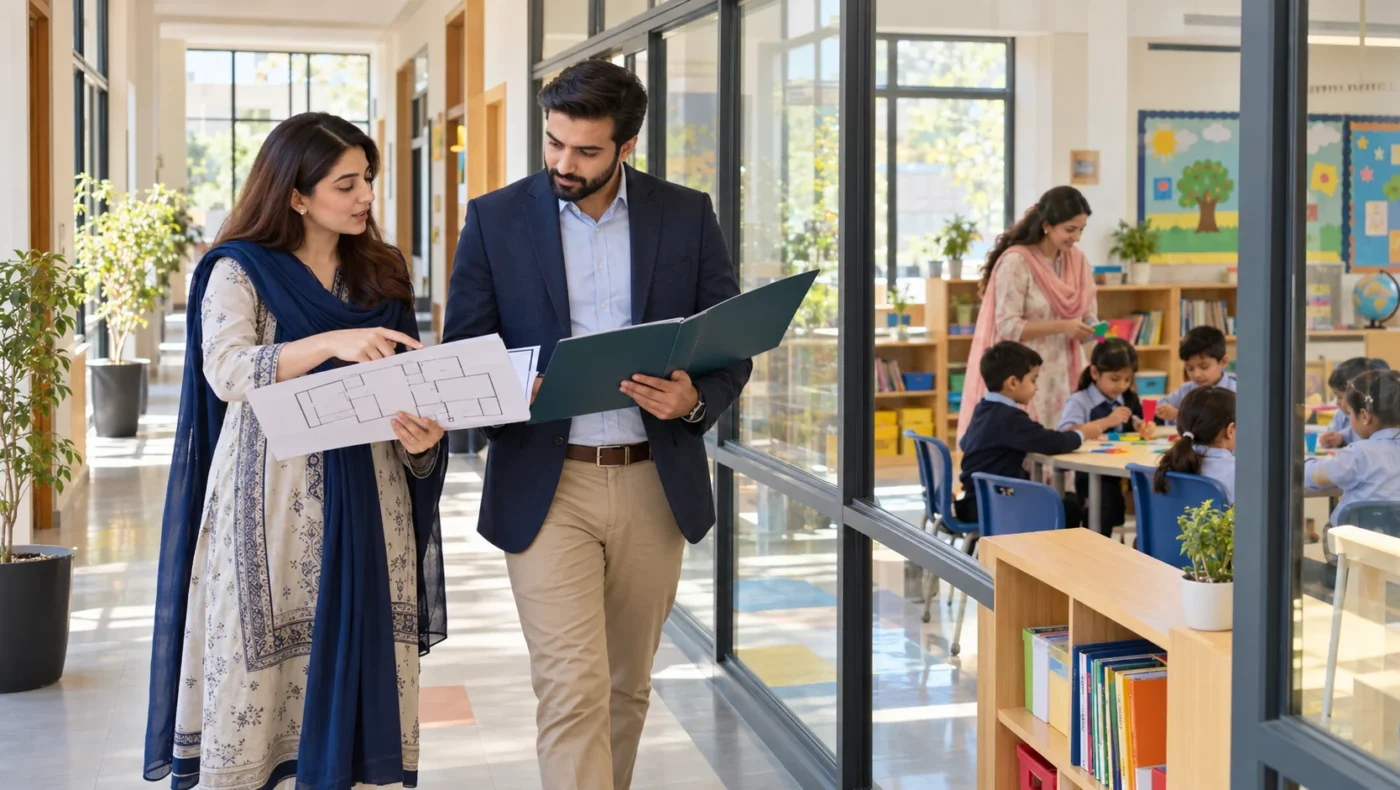
A school franchise is an agreement where an established education brand (the franchisor) allows you (the franchisee) to run a school using its name, academic model and operating methods. You provide the premises, local management and investment. The franchisor provides the framework and guidance.

Parents benefit too. They know that a franchised school follows the same standards as the rest of the network, rather than depending on one owner’s improvised approach. That trust is a big reason the school franchise opportunity is growing across cities and smaller towns alike.

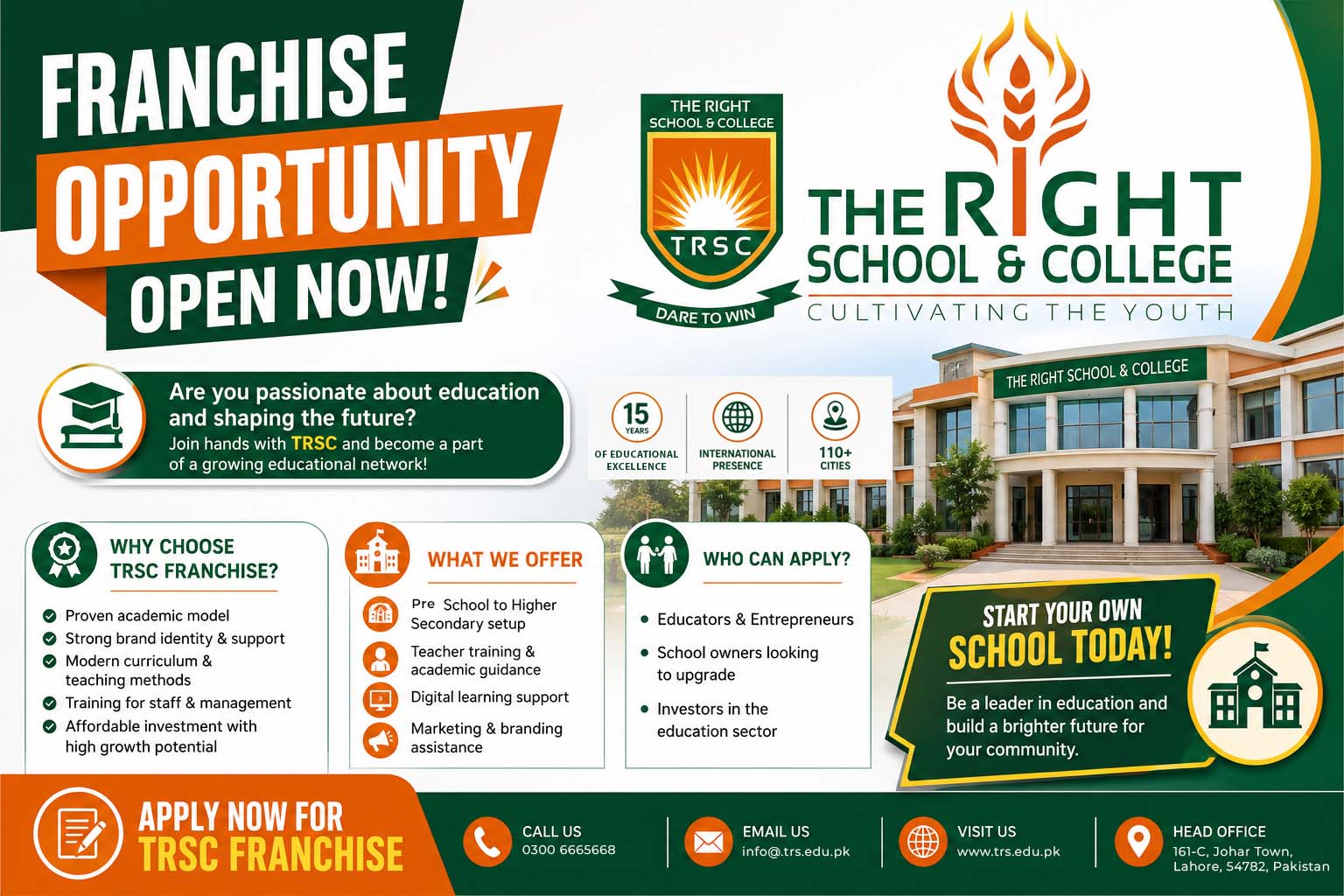
The Right School runs schools from pre-school through higher secondary and offers the TRSC Franchise to people who want to open a school with standardized education and ongoing head-office support. If you want the wider picture first, read our guide on how to open a school in Pakistan.

How a School Franchise Works

Most private school franchise models in Pakistan follow a similar path:

  1. Inquiry and discussion: you share your location, budget and goals with the franchisor.
  2. Location and building review: the franchisor assesses whether the area and premises suit a school.
  3. Agreement: terms, responsibilities and support are set out in writing.
  4. Setup: classrooms, furniture, learning materials and branding are prepared.
  5. Training and hiring: principals and teachers are recruited and trained in the network’s approach.
  6. Admissions and launch: the school opens its doors and enrols its first students.
  7. Ongoing support: the head office continues to guide academics, operations and quality.

The franchisee focuses on local leadership and community relationships, while the network supplies the academic structure.

Investment and Costs to Expect

Many people ask how much a school franchise costs in Pakistan. The honest answer is that it depends on the city, the size of the building, the grades offered and the franchise terms. We do not publish a single fixed number here, because costs vary widely between a small pre-school and a full primary or higher secondary campus. Contact the franchise team for current figures that match your situation.

As you plan, consider these cost categories:

  • Franchise fee and agreement costs, if applicable under the model you choose.
  • Premises: purchase, rent or renovation of a suitable building.
  • Furniture, learning materials and safety equipment.
  • Staff salaries before enrolment reaches a stable level.
  • Marketing and admissions in your local area.
  • Working capital to cover the first months of operation.

Plan for the school to take time to grow. Enrolment usually builds gradually, so a healthy cash reserve matters more than an optimistic forecast.

Franchise Requirements: Space, Staff and Approvals

School franchise requirements in Pakistan generally fall into three areas.

Space

You need a safe, accessible building with enough classrooms, ventilation, natural light, washrooms and outdoor or activity space for the age groups you plan to teach. Pre-school and primary levels have different space needs from higher secondary.

Staff

A qualified principal, trained teachers, administrative staff and support staff are essential. Smaller class sizes and personalized attention are core to the TRS approach, so the teaching team must be sized accordingly.

Approvals

Schools in Pakistan must meet registration and regulatory requirements set by the relevant provincial education authorities. Rules differ between provinces and can change, so always confirm current requirements with the local authority and get proper legal advice before signing any lease or agreement. A good franchisor will guide you through the process, but the responsibility to comply stays with the school owner.

Ongoing Head-Office Support

The real value of a franchise shows up after opening day. With the TRSC Franchise, head-office support is designed to cover the areas where new school owners usually struggle:

  • Standardized education across the network, so quality stays consistent.
  • Academic guidance and teacher training in a child-centered approach.
  • Values, arts and safety as a daily focus, not an afterthought.
  • Programs such as Hifz and Nazra classes, coding classes, language learning, Advanced Placement courses, educational excursions and the Personal, Social and Emotional Development (PSED) program.
  • TRS LMS to support learning management and communication.
  • Affordability and scholarship options that help families access quality schooling.

To understand why many entrepreneurs choose this route, see the benefits of opening a school in Pakistan with the TRSC Franchise.

Is a School Franchise Right for You?

People also ask whether a school franchise is profitable in Pakistan. Schools can be sustainable businesses because families consistently prioritize education, but profitability is never guaranteed. It depends on location, fee structure, enrolment, staffing costs and management quality. We would be cautious about any promise of quick returns.

A school franchise is likely a good fit if you:

  • Are committed to education and community, not only returns.
  • Can invest patiently and wait for enrolment to grow.
  • Want a ready academic system and training instead of building one alone.
  • Are comfortable following a standardized model.
  • Can be present, or appoint strong local leadership.

It may not suit you if you want full freedom to change the curriculum or expect an immediate profit.

Questions to Ask Any Franchisor

  • What is included in the franchise fee and what is charged separately?
  • What training and academic support do you provide, and for how long?
  • How are quality standards monitored?
  • Can I speak to existing schools in the network?

These questions help you compare options fairly when looking for the best school franchise in Pakistan for your goals.

How to Apply for the TRSC Franchise

The Right School serves communities across Pakistan, including Punjab, Swabi, Karachi, Jhelum and Burewala. If you are ready to explore the TRSC Franchise, prepare the following before you reach out:

  1. Your preferred city or area.
  2. Details of the building you own or plan to rent.
  3. Your approximate investment budget.
  4. The school levels you want to offer, from pre-school onward.
  5. Your background and why you want to open a school.

Then contact the TRS franchise team through trs.edu.pk to discuss your plans and get current terms. You can also keep learning through our education and franchise blog and our lifestyle articles for families.

Next step: reach out to The Right School today, share your location and goals, and request a conversation about the TRSC Franchise. A clear plan and the right partner can turn your wish to serve children into a school your community trusts.

How to Open a School in Pakistan: The 2026 Guide

Pakistan still has around 20 million children between the ages of 5 and 16 who are not in school. That number comes from the Household Integrated Economic Survey (HIES) 2024–25, released by the Pakistan Bureau of Statistics in January 2026. It is the most current official figure available.

The government spends just 0.8% of GDP on education — a record low, according to the Pakistan Economic Survey 2024–25. UNESCO recommends 4–6%. The gap between what the state provides and what families need has never been wider. That gap is where private schools operate. And it is growing.

If you have been thinking about opening a school in Pakistan — whether as an investment, a community service, or both — this guide explains exactly what is involved.

Two Ways to Do It

There are only two paths to opening a school in Pakistan.

Start from scratch

You build everything yourself: brand, curriculum, admissions process, teacher training, administrative systems, parent trust. Most independent schools take 3–5 years to reach financial stability. Many do not get there at all.

Join a franchise

You invest in a proven model — brand, curriculum, systems, and support already built. You still run the school. You still need a property, staff, and genuine commitment. But you are not starting from zero.

The Right School and College (TRSC) has operated since 2011. It now runs 104 campuses across Pakistan and international branches in Libya. Every year TRSC has learned what makes a school succeed — and what makes it fail. That knowledge comes with a TRSC franchise.

Why a School Beats Most Other Investments

Three reasons schools are uniquely resilient in Pakistan’s economic environment:

Demand does not fall during inflation

When household budgets tighten, education spending is the last to be cut — not the first. Private school enrolment in Pakistan has grown consistently even through the inflation cycle of 2022–2025.

Pakistan’s private school market is growing

According to the Pakistan Education Statistics Report 2022–23 (PIE), total educational institutions grew by 12% in a single year — from 313,445 to 349,909. Private schools now account for approximately 34% of all primary enrolment, per World Bank data. Families across income levels are choosing private over government wherever they can afford it.

The enrolment funnel creates permanent demand

Pakistan’s total school enrolment stands at 58.3 million (Pakistan Education Statistics 2023–24). Of every 100 children who start primary school, only about 23 reach matriculation level, according to UNICEF Punjab Education Fact Sheets. Every dropout cohort represents a new generation of parents who want something better for their own children — and are willing to pay for it.


Benefits of Opening a School in Pakistan in 2026 | TRSC Franchise

Every morning across Pakistan, millions of parents drop their children at school gates and say a quiet prayer. They are not just hoping for good grades. They are hoping their child gets a fair shot at life. That hope multiplied across 220 million people is also the foundation of one of Pakistan’s most resilient and rewarding business opportunities.

Opening a school in Pakistan is not just an investment. It is a community institution, a source of steady income, and for the right person, the most meaningful work they will ever do. In 2026, the case for entering Pakistan’s private education sector has never been stronger and for those who want a proven route in, The Right School and College (TRSC) franchise offers exactly that.

Demand That Will Not Stop Growing

Pakistan’s population stands at over 240 million people. More than half are under the age of 25. Every year, millions of new children reach school age — and their parents, more educated and more aspirational than any previous generation, want quality English-medium education for them.

According to the Pakistan Education Statistics Report 2023–24, published by the Pakistan Institute of Education, total school enrolment across the country reached 58.3 million students a 4% increase in a single year. Private schools now account for approximately 42% of all enrolled students nationwide, according to RISE Programme research. In Punjab alone, roughly half of all primary school children attend private institutions.

That demand is not slowing down. It is structural. Pakistan’s young population will keep producing new cohorts of school-age children for the next two decades. If you open a quality school in a residential area today, you are not competing for a shrinking market. You are entering a market that grows every year, automatically.

Recession-Proof, Inflation-Resistant

Pakistan’s economy has faced significant turbulence since 2022 inflation, currency depreciation, and rising costs of living. Many businesses have suffered. Private school enrolment has continued to grow.

This is not surprising to anyone who understands Pakistani family priorities. When household budgets tighten, the last thing parents cut is their children’s education. Food, transport, entertainment these compress under financial pressure. School fees do not. Research published by the World Bank confirms that Pakistani families treat private school enrolment as an essential expenditure, valuing private schooling at 2% to 7% of annual household income and continuing to pay even when budgets are under pressure.

This makes a school one of the most resilient business models available in Pakistan. It is not immune to economic pressure, but it is far more stable than retail, hospitality, or most consumer businesses. During Pakistan’s recent inflationary period, private school enrolments continued rising. That is the definition of a recession-resistant investment.

A Market the Government Cannot Serve Alone

Pakistan’s government currently spends approximately 0.8% of GDP on education a record low, according to the Pakistan Economic Survey 2024–25. The UNESCO recommended minimum is 4–6%. The gap between what the state funds and what the population needs is enormous — and it is growing, not shrinking.

According to the Pakistan Bureau of Statistics’ Household Integrated Economic Survey 2024–25, released in January 2026, approximately 20 million children between the ages of 5 and 16 remain out of school. Government schools in many areas suffer from teacher absenteeism, overcrowding, poor infrastructure, and irregular academic calendars.