School Franchise Opportunity in Punjab: Best Cities

School Franchise Opportunity in Punjab: Best Cities

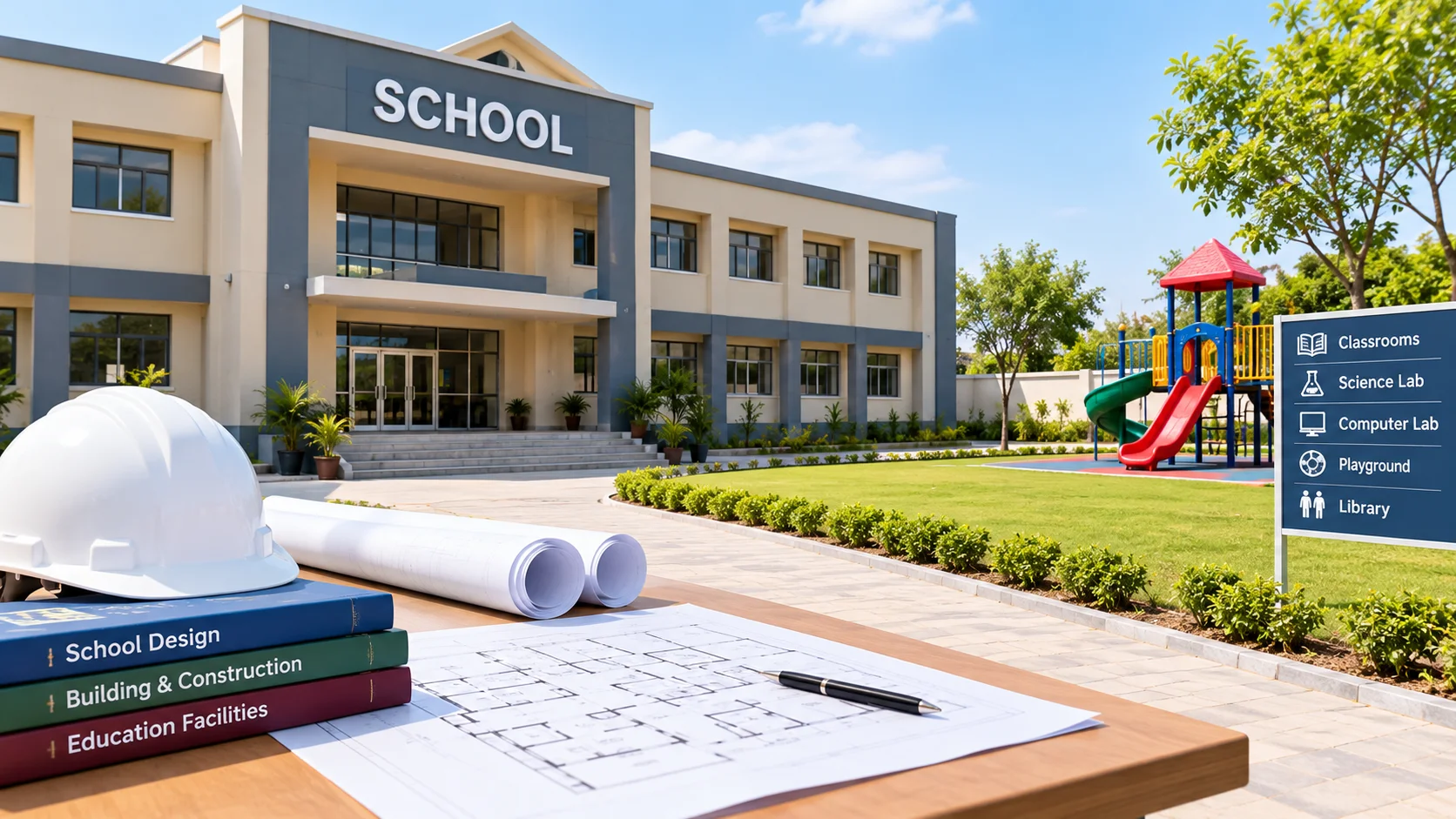
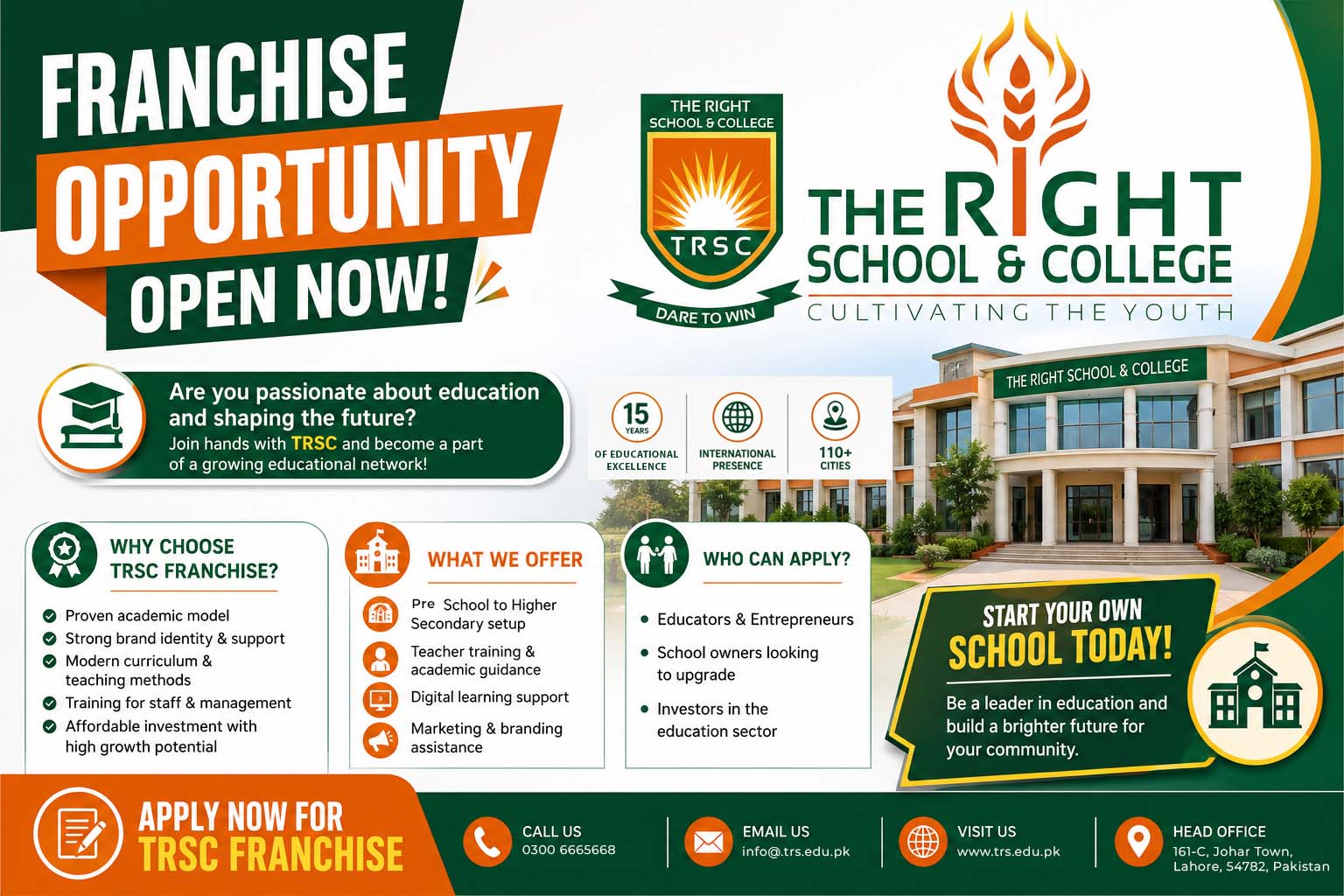
If you are looking at a school franchise opportunity in Punjab, the first big decision is not the brand. It is the city. Punjab is Pakistan’s most populous province, and demand for quality private education is visible in both large urban centers and growing smaller cities. This guide explains how to compare locations such as Jhelum and Burewala, what makes a city suitable, and how The Right School (TRS) supports franchise partners.

Why Punjab Is Attractive for School Investors
Why Punjab Is Attractive for School Investors

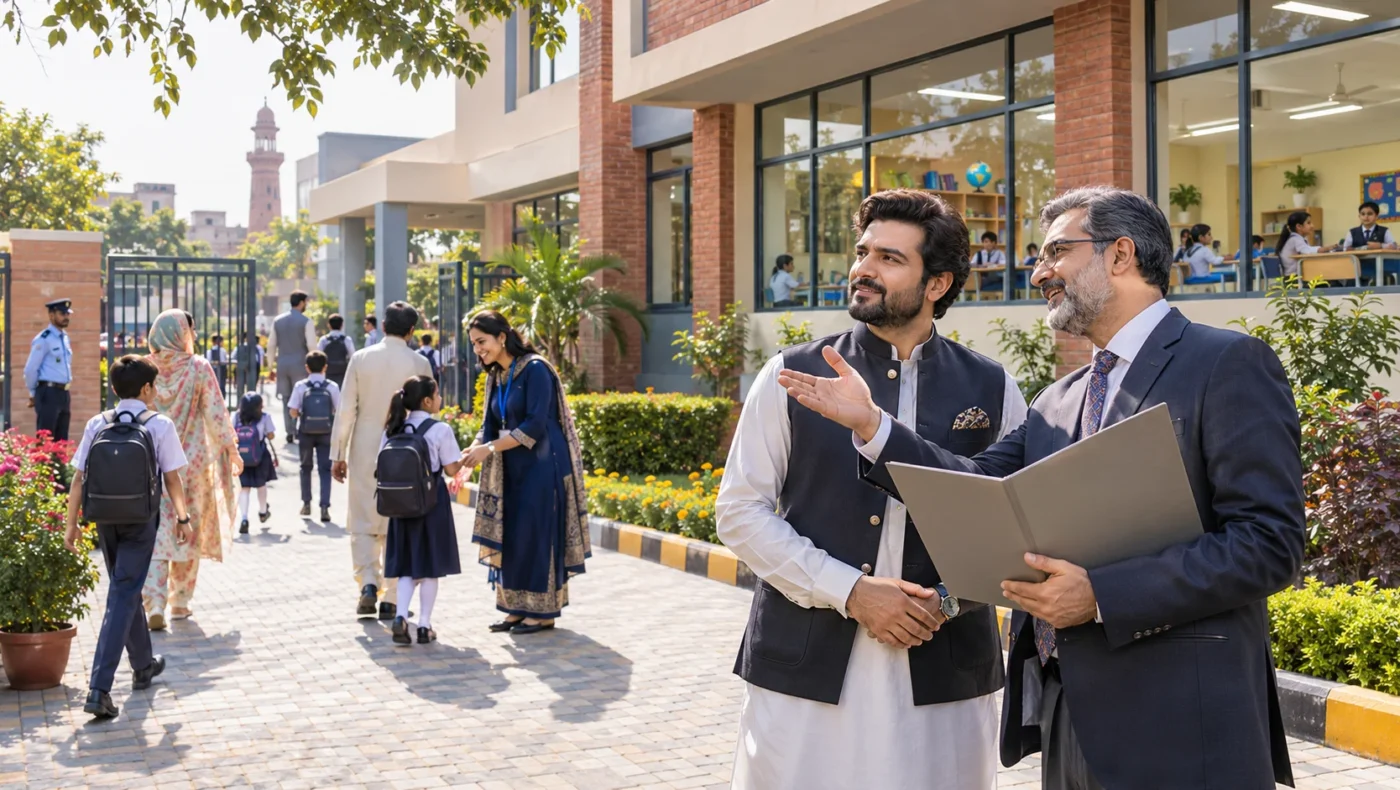
Punjab has a large population of school-age children and many families who actively look for alternatives to overcrowded or inconsistent schooling. Parents here often compare schools on results, safety, discipline and values, not just fees. That creates room for well-run private schools with a clear identity.

For an investor, a school franchise in Punjab offers something a standalone start-up does not: a tested model. Curriculum, teacher guidance, systems and branding are already in place, so you spend less time inventing and more time running the school well. If you are still at the planning stage, our guide on how to open a school in Pakistan covers the full process step by step.

Factors That Make a City Suitable

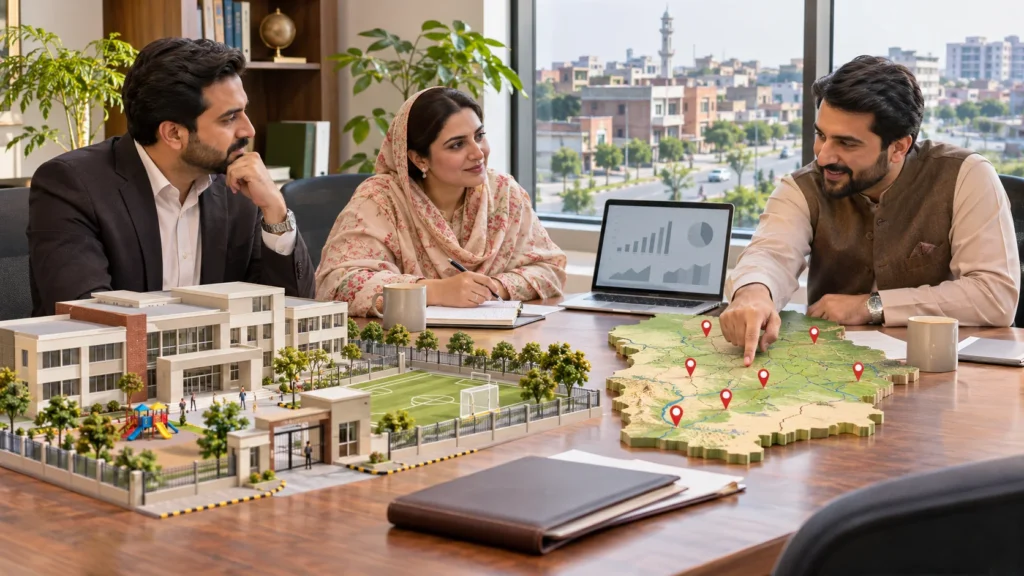
There is no single best city to open a school in Punjab for every investor. The right choice depends on your budget, your network and the gap in the local market. Look at these factors before you commit:

  • Child population: Walk through residential areas and note how many young families live within a short commute of your planned site.
  • Existing school quality: Visit nearby schools. Are classrooms overcrowded? Do parents complain about attention, safety or teaching quality? Gaps are opportunities.
  • Household affordability: Talk to parents about what they currently pay. Your fee structure should be realistic for the area.
  • Building and location: Safe road access, space for play areas and a quiet surrounding matter greatly to parents.
  • Teacher availability: A city with qualified local teachers makes hiring and retention easier.
  • Your own presence: Owners who live nearby and stay involved usually run stronger schools.

Smaller Cities vs Large Cities

Large cities such as Lahore have the most families, but they also have the most competition, higher property costs and higher rents. Parents there have many options and compare schools closely.

Smaller cities often offer a different balance. Land and rent can be more manageable, and a school with a strong reputation can become a trusted name quickly through word of mouth. The trade-off is that you must understand local fee expectations carefully and build trust steadily.

School franchise in Jhelum

Jhelum is a well-established city with an education-minded community and many families who value discipline and character. A school franchise in Jhelum can appeal to parents who want structured learning, smaller classes and a values-based environment close to home.

School franchise in Burewala

Burewala is a growing city in southern Punjab where parents increasingly look for modern teaching without sending children far away. A school franchise in Burewala can serve families who want a standardized, child-centered option in their own city. Always confirm local demand with your own visits and conversations rather than assumptions.

Local Demand for Values-Based Schooling

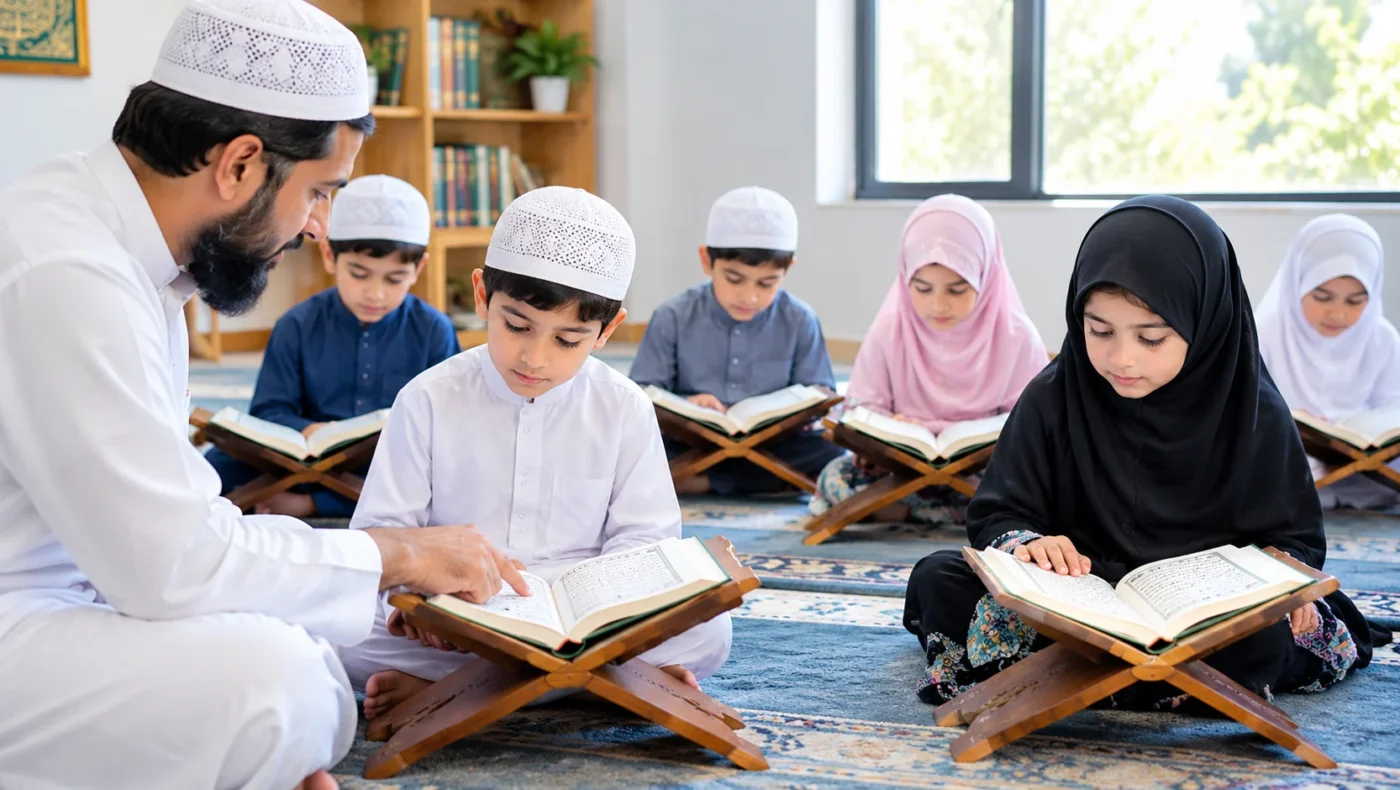
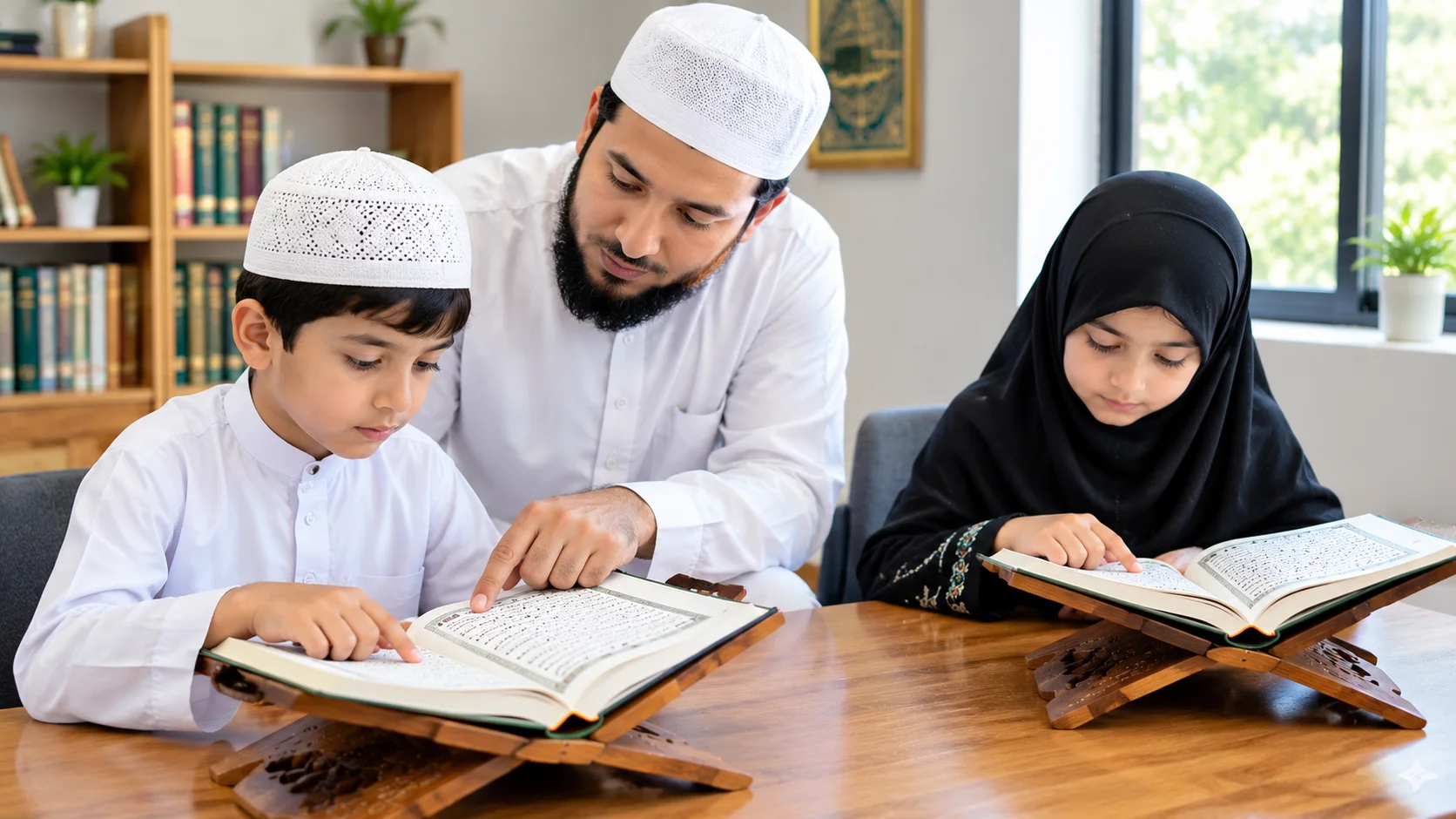
Across Punjab, many parents want academic progress and strong character together. They ask whether a school teaches respect, honesty and Islamic values, whether Quran Nazra and Hifz are available, and whether their child will feel safe and known by name.

TRS is built around these expectations. Its network offers pre-school through higher secondary education, Hifz and Nazra classes, coding and language classes, Advanced Placement courses, educational excursions and a Personal, Social and Emotional Development (PSED) program. Smaller class sizes, affordability and scholarship options also help families who might otherwise struggle to find a good fit. For more on the investment side, read the benefits of opening a school in Pakistan with the TRSC Franchise.

How TRS Supports Franchisees in Punjab

Running a school is demanding, especially in the first year. The TRSC Franchise is designed so you do not carry that load alone. Franchise partners receive:

  • Standardized education across the network, so parents see consistent quality.
  • Ongoing head-office support for academics, operations and day-to-day questions.
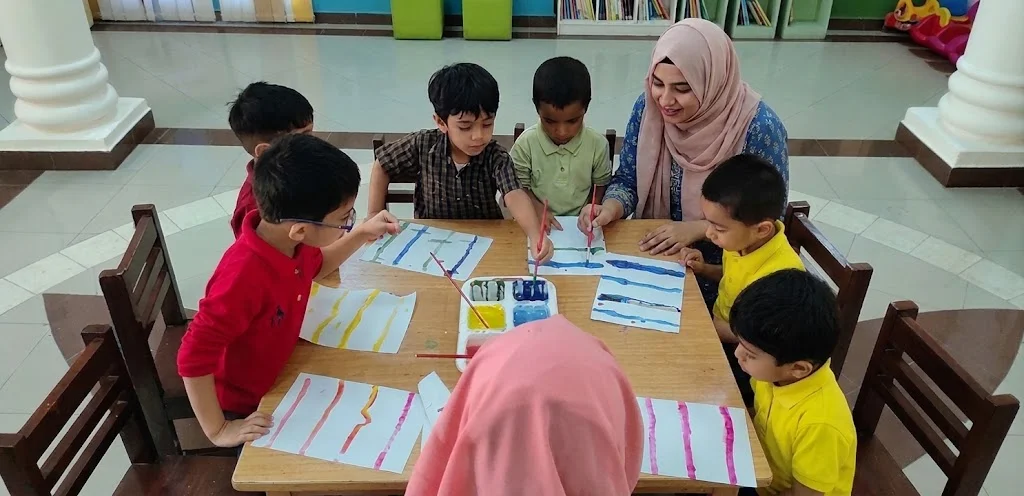
  • A child-centered approach with a focus on values, arts and safety.
  • Supporting tools such as TRS LMS to help organize learning and communication.

TRS already serves communities across Punjab, including Jhelum and Burewala, so its team understands the realities of different city sizes.

How to Choose Your Next Step

  1. Shortlist two or three cities where you have a real connection or good knowledge.
  2. Visit local schools and speak with parents about what is missing.
  3. Identify a safe, suitable building and estimate your running costs honestly.
  4. Speak with the TRS team about the TRSC Franchise and how it fits your chosen city.

You can also explore more ideas and school stories in our TRS blog and our lifestyle articles for parents to understand what families value most.

Final Thoughts

The strongest school franchise opportunity in Punjab is the one that matches a real local need and a committed owner. Compare cities carefully, listen to parents and choose a partner that offers lasting support. If you are ready to take the next step, contact The Right School to discuss the TRSC Franchise for your city.
Private School Franchise in Pakistan: Requirements Checklist

Private School Franchise in Pakistan: Requirements Checklist

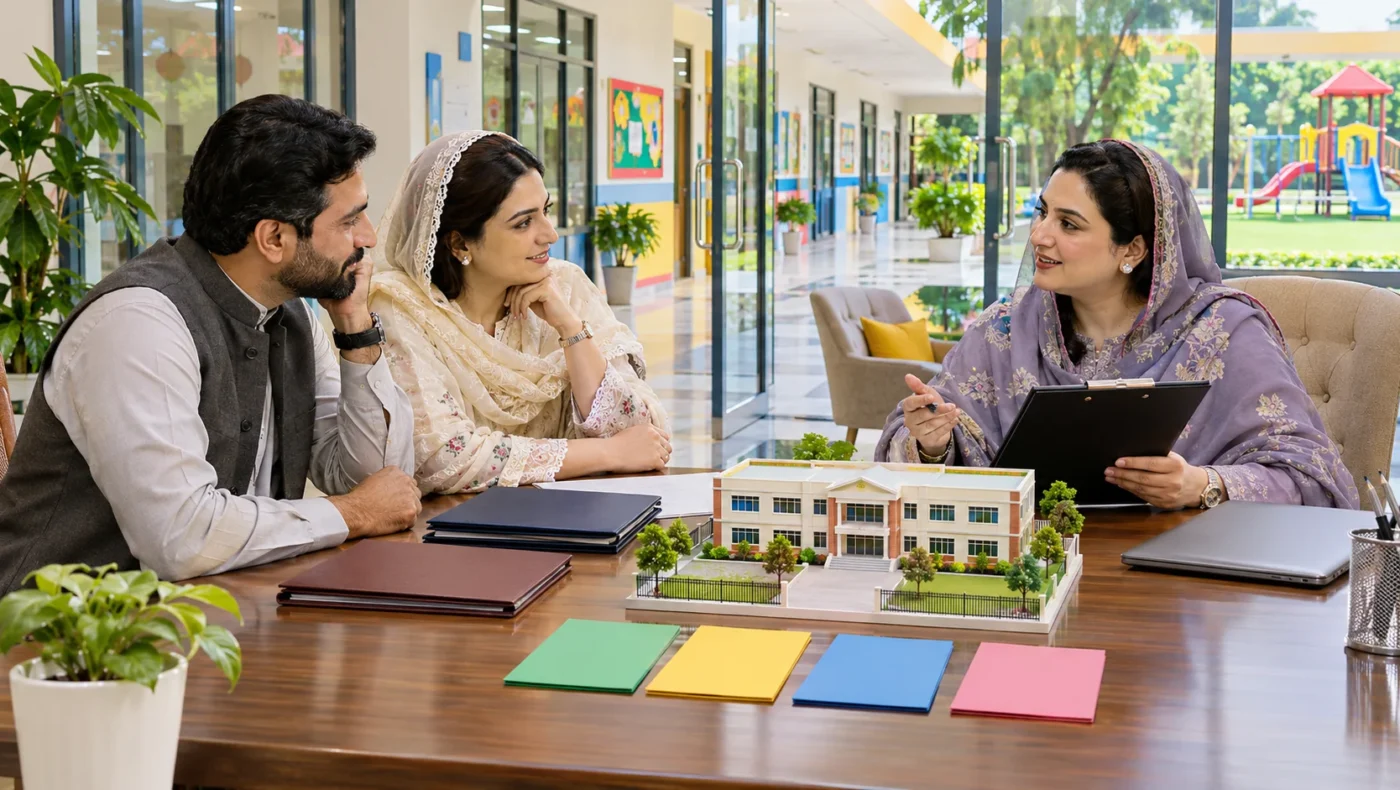
If you are thinking about opening a school under an established name, the first question is usually practical: what are the private school franchise Pakistan requirements you must meet before you can apply? This checklist walks through eligibility, space, staffing, capital and the application process, based on how The Right School (TRS) runs its TRSC Franchise model. Exact figures and terms are confirmed by the head office during discussions, so use this guide to prepare and ask the right questions.

A school franchise gives you a proven structure instead of starting from zero. If you are still comparing options, read our overview of the benefits of opening a school in Pakistan with the TRSC Franchise first, then return here to check whether you are ready.

Who Can Apply for a School Franchise?

Who Can Apply for a School Franchise?

School franchise eligibility is less about a specific degree and more about commitment and suitability. Entrepreneurs, investors, and experienced educators can all be good candidates. Generally, a franchise partner should have:

  • A genuine interest in education and in the wellbeing of children.
  • Agreement with the network’s values, including character development, arts and safety.
  • Willingness to follow a standardized curriculum and quality standards.
  • The ability to commit time, either personally managing the school or appointing a capable principal.
  • A location in or near the cities and regions TRS serves, such as Punjab, Karachi, Swabi, Jhelum or Burewala, or another area the head office agrees is suitable.

Space and Building Requirements

Space and Building Requirements

Parents judge a school first by how safe and welcoming it feels, so the building matters. When people ask about building requirements for school franchise Pakistan, they usually need to think through these points:

  • Safe, purpose-suitable premises: a building that can be arranged as classrooms, with proper ventilation, natural light and sound structure.
  • Right-sized classrooms: TRS promotes smaller class sizes with personalized attention, so rooms should comfortably fit a limited number of children.
  • Child safety: secure entry and exit, safe stairs and railings, clean and separate washrooms, and a safe outdoor or play area where possible.
  • Activity spaces: room for arts, early years play, and, if you plan to offer them, coding and language classes or Hifz and Nazra sections.
  • Legal clearances: ownership or a proper lease, plus any local registration and approvals that apply in your province. Check current rules with the relevant education authority.

Ask the head office to review your building before you invest in renovation. It can save you from costly changes later.

Staffing and Teacher Training Needs

Great teachers are the heart of any school. Plan for:

  • A principal or head who can lead staff and communicate well with parents.
  • Qualified, caring teachers for each level you will open, from pre-school onward.
  • Support staff for administration, cleaning and security.
  • Willingness to take part in training on the child-centered approach, classroom management and the Personal, Social and Emotional Development (PSED) program.

Because the network uses standardized education, teachers are expected to follow common lesson standards while still giving each child individual attention. If you plan to add Quran classes, you will also need qualified Hifz and Nazra teachers.

Capital and Readiness

Capital needs depend on your city, building, and the number of levels you open, so any figure you find online should be treated with caution. Rather than guessing, budget for these categories and request the franchise terms from the head office:

  • Franchise-related fees as set out in the agreement.
  • Building rent or purchase, and renovation.
  • Furniture, learning materials and classroom setup.
  • Staff salaries for the first months, before enrollment stabilizes.
  • Marketing and admissions activity in your community.
  • A reserve for unexpected costs.

Remember that a school builds slowly. Enrollment grows through trust, so a realistic working-capital cushion is as important as the initial setup budget. For a broader walkthrough of planning and licensing, see how to open a school in Pakistan: the 2026 guide.

What Head-Office Support Covers

One reason entrepreneurs choose a network is ongoing support. With the TRSC Franchise, the head office aims to help you with:

  • A standardized education framework across all branches.
  • Guidance on setup and launch.
  • Training and mentoring for staff.
  • Access to tools such as the TRS LMS.
  • Continued support as your school grows, including programs like coding, language learning and Advanced Placement courses where appropriate.

Ask during your discussions exactly which services are included in the agreement, so you know what to expect from day one.

Steps to Apply

If you are wondering what you need to apply for a school franchise, the process is simple to follow:

  1. Research: learn about the TRS model, values and programs.
  2. Check your readiness: review the eligibility, space, staffing and capital points above.
  3. Contact the head office: share your city, building plans and background.
  4. Discuss terms: ask about the TRSC franchise requirements, fees and support in detail.
  5. Site review: have your premises assessed.
  6. Sign the agreement and prepare: complete approvals, hiring and training.
  7. Launch: open admissions and welcome your first students.

You can find more guides on school ownership and education in our Blog section, and explore parenting and family reading in Lifestyle.

Your Next Step

Meeting the private school franchise Pakistan requirements is about preparation: the right values, a safe building, a committed team and realistic capital. If you are ready to take the next step, contact The Right School head office through trs.edu.pk to discuss the TRSC Franchise for your city.
How to Start a School Business in Pakistan: Profit Guide

How to Start a School Business in Pakistan: Profit Guide

If you are wondering how to start a school business in Pakistan, you are probably asking two questions at once: can it make money, and can it do real good for children? The answer to both is yes, but only when the school is planned as a long-term institution and not as a quick investment. This guide focuses on the business side: how a private school earns, what it costs to run, and which choices shape profit. For registration and setup steps, read our guide on how to open a school in Pakistan.

Is the School Business Profitable in Pakistan?

Is the School Business Profitable in Pakistan?

Many first-time investors ask, “is school business profitable in Pakistan?” Education is a constant need. Parents across Punjab, Khyber Pakhtunkhwa and Sindh consistently prioritize their children’s schooling, and demand for affordable private options remains strong in towns as well as big cities.

That said, a school is not a fast-return business. Profit depends on enrollment, fee level, cost control and reputation. Most schools take time to reach a healthy number of students, so you should plan for a period where income is lower than expenses. We do not quote fixed profit figures here, because results vary widely by city, fee structure and management quality. Build your own numbers using local fee levels and your actual costs.

How a Private School Earns Revenue

How a Private School Earns Revenue

The school business revenue model in Pakistan is built mainly on recurring fees, with a few extra streams on top.

  • Monthly tuition fees: the core and most predictable income.
  • Admission and registration fees: usually collected once when a child joins.
  • Annual charges: for activities, materials or facilities, where parents are clearly informed in advance.
  • Add-on programs: coding classes, language learning, Hifz and Nazra classes, and other enrichment that parents value.
  • Educational excursions and events: well-planned trips that cover their own costs and add to the school experience.

The strongest schools do not chase every stream. They keep tuition fair, offer a few programs that match what families in their area actually want, and protect trust above all.

Main Costs to Plan For

A realistic school business plan in Pakistan lists every recurring and one-time cost before the doors open. Typical headings include:

  • Premises: rent or purchase, plus safe renovation, classrooms, washrooms and play space.
  • Teacher and staff salaries: usually the largest monthly expense. Good teachers are the heart of your school.
  • Furniture, learning materials and technology.
  • Utilities, maintenance and security.
  • Marketing and admissions: local awareness matters a great deal.
  • Curriculum and training: developed in-house or obtained through a network.
  • Working capital: a cash reserve to cover the first months while enrollment grows.

Keep a buffer. Underestimating the early months is one of the most common reasons good schools struggle.

Choosing a City and Location

Location shapes your fee level, student numbers and reputation. Look at the neighborhood before you look at the building:

  • How many families with school-age children live within a short, safe commute?
  • What fee range do local households realistically afford?
  • Which gaps exist? Many areas lack a good pre-school or a values-focused option.
  • Is the site safe, accessible and suitable for children?

Smaller cities and towns such as Swabi, Jhelum and Burewala can offer strong opportunities, because families there often have fewer quality choices. Larger cities like Karachi offer more demand but also more competition and higher property costs. Match the school’s model to the community, not the other way around.

Franchise or Independent Model

This is one of the biggest decisions for small school business ideas in Pakistan. An independent school gives full control, but you must build curriculum, teacher training, systems and reputation from scratch.

A franchise offers a tested structure. With The Right School, the TRSC Franchise provides standardized education, ongoing head-office support and a child-centered approach with a focus on values, arts and safety. This can shorten the learning curve for first-time owners who are new to education management. You can read more about this route in our article on the benefits of opening a school in Pakistan with TRSC Franchise.

Whichever model you choose, ask the same questions: What support will I receive? What are all the costs? How will quality be maintained as the school grows?

Common Mistakes New School Owners Make

  1. Treating the school only as an investment. Parents notice quickly when care for children is secondary.
  2. Setting fees without studying the local market. Too high empties classrooms; too low cannot pay for quality.
  3. Hiring cheaply. Weak teaching harms reputation, which is your best marketing.
  4. Ignoring safety and child wellbeing. Safe premises and caring staff are essential.
  5. Skipping a cash reserve. Early months are rarely profitable.
  6. Offering too much too early. Do a few things well, then add programs such as coding or language classes.
  7. Neglecting communication with parents. Regular updates build trust and word-of-mouth admissions.

Building Value Beyond Profit

Schools that last are those parents recommend. Focus on smaller class sizes, personal attention, character development and fair pricing, and consider scholarship options that make your school accessible to more families. A strong reputation brings steady enrollment, and steady enrollment is the foundation of profit.

Next Steps

Start by writing a simple school business plan: your target neighborhood, fee range, expected enrollment, monthly costs and cash reserve. Then decide between an independent school and a franchise. For more articles on education and school life, browse our Blog and Lifestyle sections. If you would like to explore the TRSC Franchise, contact The Right School to discuss what support and standards come with it.

Advanced Placement Courses in Pakistan: A Parent Guide

Advanced Placement Courses in Pakistan: A Parent Guide

If your child is approaching higher secondary years, you may have heard about Advanced Placement courses in Pakistan and wondered whether they are the right fit. This guide explains what AP courses are, which subjects students commonly choose, and how families can prepare for the demands of this college-level study.

What Are Advanced Placement Courses?

Close-up of hands writing notes beside a calculator and a science textbook on a desk, soft focus background

Advanced Placement (AP) courses are rigorous, university-level subjects offered to secondary school students. Each course follows a defined curriculum and ends with a standardized exam. Many parents searching for “what are AP courses in Pakistan” want to know one thing: is it just extra homework? It is not. AP is a structured way for motivated students to study a subject in greater depth, with more analysis, writing and independent thinking than a typical school course.

AP exams are taken once a year, usually in May, and students prepare through the school year. Students interested in AP exams in Pakistan should confirm exam registration and test-centre arrangements with their school well in advance, as these details can change.

How AP Fits into Higher Secondary Education

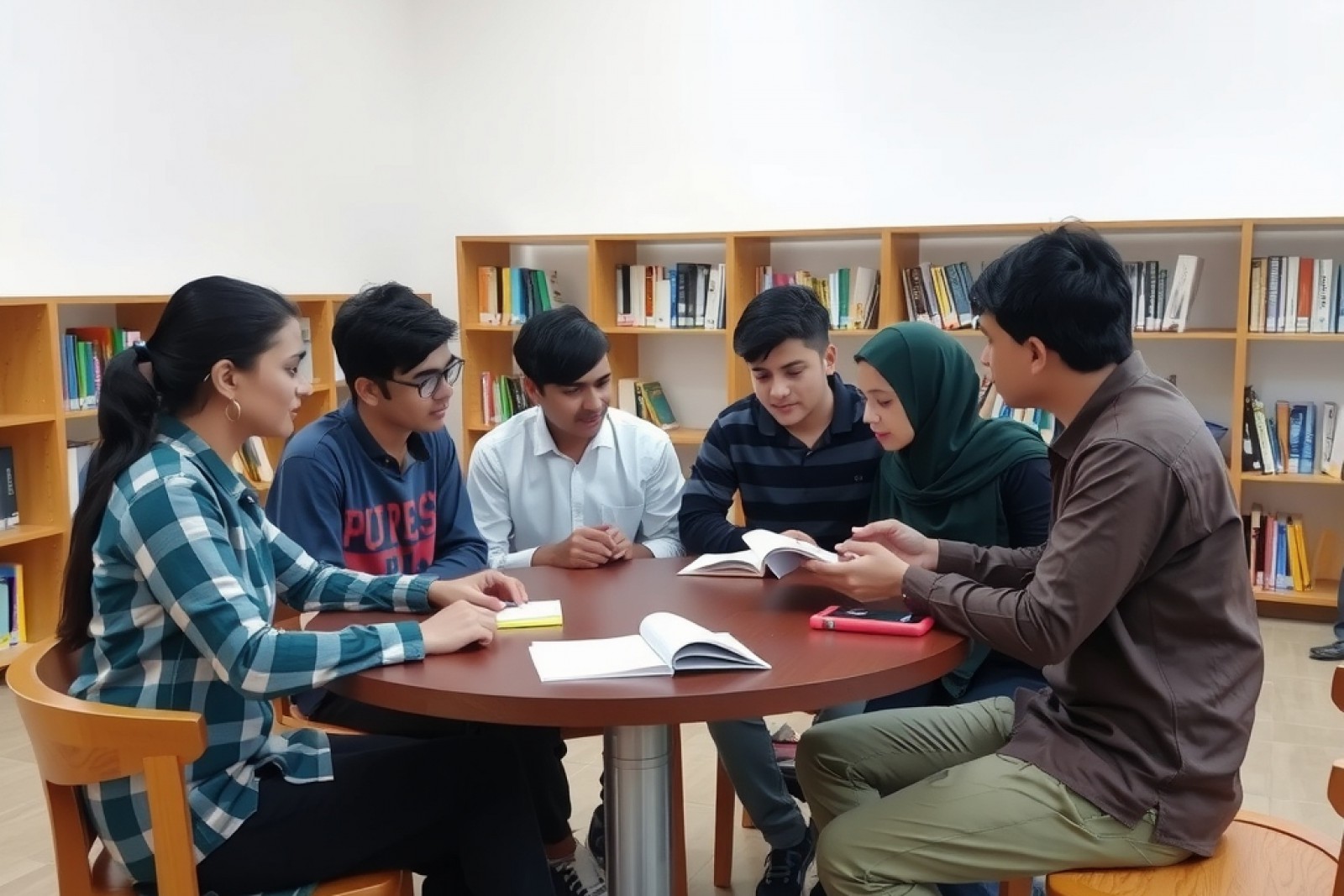
A small group of higher secondary students discussing a project around a table in a Pakistani school library

Higher secondary education in Pakistan (grades 11 and 12) is where students start to specialise. AP courses can sit alongside this stage, letting a student deepen strength areas such as mathematics, sciences or English while still building a balanced profile.

Parents often ask about AP vs A levels in Pakistan. Both are respected, subject-based pathways with demanding content. A levels usually involve a smaller number of subjects studied in great depth, while AP allows students to mix and match individual courses, often across a wider range of subjects. The right choice depends on your child’s strengths, school offering and learning style. A conversation with the school’s academic team is the best way to decide.

Popular AP Subjects

If you are looking for an AP subjects list, the offering is broad. Students commonly consider these groups:

  • Mathematics and computer science: Calculus, Statistics and Computer Science.
  • Sciences: Biology, Chemistry, Physics and Environmental Science.
  • English and humanities: English Language, English Literature and world history.
  • Social sciences and business: Psychology, Economics and Government subjects.
  • Arts: Art and design related courses.

Not every school offers every subject, so always check which AP courses are available before planning.

Skills Students Build Through AP

Beyond grades, AP develops habits that serve students for life:

  • Critical thinking: questioning ideas and supporting arguments with evidence.
  • Academic writing: structuring clear, well-reasoned responses.
  • Time management: balancing a heavier workload across subjects.
  • Independent learning: taking ownership of revision and practice.
  • Confidence: tackling challenging material and seeing steady progress.

How to Choose AP Courses

Parents often ask, “Which AP subjects should I choose?” Start with these steps:

  1. Look at interests first. A student who enjoys a subject will cope far better with its difficulty.
  2. Review current performance. Strong results in the related subject at grade 9 and 10 level are a good sign.
  3. Think about future study areas. Pick subjects that connect naturally with the field your child is drawn to.
  4. Start modestly. One or two courses is a sensible beginning, adding more only if your child is comfortable.
  5. Talk to teachers. They know your child’s strengths and study habits.

As for when students should start AP courses, most begin in the higher secondary years, once they have a solid foundation from earlier grades. A strong base in English, mathematics and science makes the transition smoother.

Preparing for AP Study Load

AP asks more of students than a regular class, so preparation matters. Families can help in practical ways:

  • Build routines early. A consistent daily study slot is better than last-minute cramming.
  • Protect rest and health. Sleep, meals and some physical activity keep concentration high.
  • Encourage questions. Students who ask in class understand more deeply.
  • Use past-style practice. Timed practice builds exam confidence.
  • Keep emotional balance. Pressure can build, so listen and offer encouragement, not only reminders.

Strong foundations also come from earlier years. Schools that nurture personal, social and emotional development help children arrive at higher secondary with resilience and self-discipline. You can find more parenting and school life ideas in our Blog section, and see how learning goes beyond textbooks in our Activities category.

Studying AP at TRS

The Right School (TRS) offers education from pre-school through higher secondary, with Advanced Placement courses available as part of its higher secondary offering. Our child-centered approach, smaller class sizes and personal attention help students receive the guidance that demanding courses require. Values, arts and safety remain at the heart of school life, so academic ambition grows alongside character.

Curious about how a school network is built around this kind of standardized, supportive education? Read our article on how to open a school in Pakistan to see the thinking behind the TRS model.

If you would like to know which AP subjects are offered at your nearest TRS campus, speak with the school team about available courses, admission and scholarship options. A short conversation can help you decide whether AP is the right next step for your child.

How to Choose the Right School for Your Child in Pakistan

How to Choose the Right School for Your Child in Pakistan

Knowing how to choose the right school for your child in Pakistan can feel overwhelming. There are many schools in every city, each promising quality education, and every family has different needs. This guide gives you a clear, practical checklist so you can compare schools with confidence and pick the one where your child will feel safe, curious and happy.

Whether you are looking for the best schools in Punjab or a trusted school in Karachi, Swabi, Jhelum or Burewala, the same core questions apply. Work through them one by one, and the right choice usually becomes clear.

Start with Your Child and Your Family Values

Start with Your Child and Your Family Values

Before you visit any campus, think about your child. Is your child shy or outgoing? Does he or she love drawing, stories, numbers or movement? A good school fits the child, not the other way around.

Next, think about your family values. Many parents want an Islamic values school in Pakistan where good manners, honesty, respect for elders and daily character building are part of school life. Others also want Quran learning included. Ask yourself:

  • Do I want Nazra or Hifz classes available alongside regular studies?
  • How important are manners, kindness and discipline to us?
  • Do I want a school that works with parents on values at home?

Write your top three priorities down. They will guide every decision that follows.

Check Class Size and Personal Attention

Check Class Size and Personal Attention

One of the most useful things to ask about is class size. The benefits of smaller class sizes for children are easy to see: the teacher knows each child by name, notices when someone is struggling, and has time to praise progress. Shy children are more likely to speak up, and quick learners can be challenged further.

Ask the school how many students are in each section and how many teachers or assistants support them. At The Right School, smaller classes are part of our approach so that every child receives personalized attention in the early years and beyond.

Look at Safety and School Environment

Safety comes first, especially for young children. When you visit, look beyond the building and observe how the school actually runs.

  • Is the entry and exit controlled, with a clear pick-up and drop-off process?
  • Are classrooms clean, bright and well ventilated?
  • Are washrooms clean and age-appropriate?
  • Are staff warm and respectful with children?
  • Is there a clear policy on bullying and discipline?

Emotional safety matters as much as physical safety. Children learn best when they feel secure, which is why programs that support personal, social and emotional development (PSED) are valuable. They teach children to understand feelings, make friends and solve problems kindly.

Understand the Teaching Approach

Ask how teaching actually happens day to day. A child-centered school encourages questions, hands-on activities and understanding, rather than relying only on memorization and heavy bags of homework.

If you are deciding how to pick a primary school for your child, look for these signs:

  • Lessons that include activities, group work and discussion
  • A standardized curriculum with clear learning goals for each grade
  • Regular, honest feedback to parents about progress
  • Teachers who are trained and supported with ongoing guidance

Also check what is offered beyond core subjects. Some schools add coding classes, language learning classes and, at higher levels, Advanced Placement courses, which help children build skills for the future. Look at the full range of stages too, from pre-school through higher secondary, so your child can grow in one trusted environment.

Ask About Arts, Activities and Excursions

Children are not only students of books. Art, music, sports, storytelling and field trips build confidence and creativity. Ask how often children take part in activities and whether educational excursions are planned during the year.

You can read more about school life and activities in our school activities articles, which show how learning goes beyond the classroom.

Compare Fees, Scholarships and Value

Fees matter, but the cheapest or the most expensive school is not automatically the best. Ask for a complete fee breakdown, including admission fee, monthly tuition, books, uniforms, transport and activity charges, so there are no surprises later.

Also ask whether scholarships or fee support are available. Affordability should not mean compromising on quality. Compare what each school gives you for the fee: class size, teacher attention, safety, values and activities. That is real value.

A School Visit Checklist for Parents

Always visit in person, and if possible, take your child along. Here are questions to ask during a school visit:

  1. What is the average class size, and how do teachers give individual attention?
  2. How do you teach values and character alongside academics?
  3. What safety measures are in place at entry, in classrooms and during transport?
  4. How do you handle a child who is struggling or feeling anxious?
  5. How will I be updated on my child’s progress?
  6. What activities, clubs and excursions do children take part in?
  7. Are Quran, Nazra or Hifz classes available if I want them?
  8. What is the full fee structure, and are scholarships offered?
  9. How are new students helped to settle in during admission?

Watch how children behave in the corridors and how teachers speak to them. Trust your instincts too. If your child feels comfortable during the visit, that is a good sign.

Simple school admission tips for Pakistan

  • Start your search several months before the new session begins.
  • Shortlist two or three schools rather than visiting too many.
  • Keep your child’s documents ready, such as the birth certificate (B-form) and previous school records if applicable.
  • Prepare your child gently with stories, routines and short separations from home.

Why Many Families Choose The Right School

The Right School (TRS) offers pre-school, primary, elementary and higher secondary education with standardized learning across the network, a child-centered approach, a focus on values, arts and safety, and smaller class sizes. Families can also choose Hifz and Nazra classes, coding and language learning, and PSED support.

Curious about how schools are built and run behind the scenes? Our guide on how to open a school in Pakistan explains the standards that good schools follow. You can also explore more parenting and education advice in our TRS blog.

Your Next Step

Make your shortlist, use the checklist above, and visit the schools in person. Contact your nearest TRS campus to arrange a visit, meet the teachers and see how your child could grow in a warm, values-based classroom. The right school is the one where your child feels safe, valued and excited to learn.

School Franchise vs Starting Your Own School in Pakistan

School Franchise vs Starting Your Own School in Pakistan

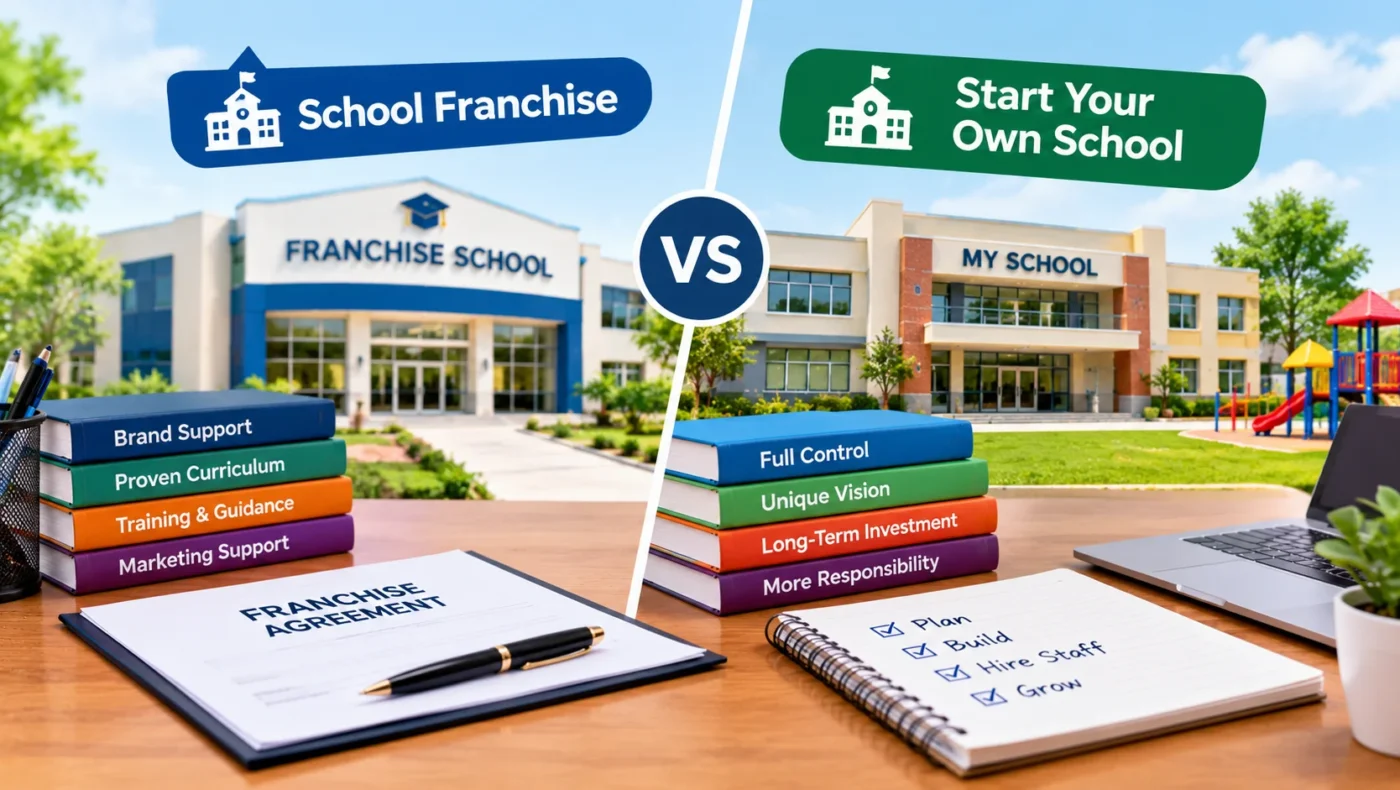
Choosing between a school franchise vs starting your own school in Pakistan is one of the first big decisions any education entrepreneur faces. Both paths can lead to a respected, sustainable school. They differ sharply in effort, risk, branding and the support you receive along the way. This guide compares them side by side so you can decide with confidence.

If you are still at the planning stage, you may also want to read our guide on how to open a school in Pakistan, which covers the broader steps.

Franchise vs Independent School: The Core Difference

Franchise vs Independent School: The Core Difference

An independent school is built entirely by you. You choose the name, design the curriculum, hire and train staff, create policies and build a reputation from zero.

A school franchise, such as the TRSC Franchise from The Right School, gives you a proven system to operate under an established brand. You bring the building, investment and local commitment. The head office brings the standardized education model, training and ongoing guidance.

In short, an independent school gives you total freedom and total responsibility. A franchise gives you a tested framework and shared expertise.

Setup Time and Startup Effort

Starting your own school means solving many problems at once. You need to develop academic plans, select textbooks, write admission and fee policies, design a code of conduct, and set up assessment systems. Each of these takes time and often several rounds of trial and error.

With a private school franchise in Pakistan, most of these building blocks already exist. You still have to prepare premises, recruit teachers and meet local registration requirements, but you are not designing everything from scratch. For many first-time owners, this shortens the path from idea to first admission day.

Registration rules and approvals can vary by province and school level, so check current requirements with the relevant education authority in your area, whichever route you choose.

Curriculum, Training and Head-Office Support

This is where the two models differ most. An independent owner must find, adapt and maintain a curriculum, then train teachers without a ready reference. Quality can vary, especially in the early years.

A franchise offers standardized education across the network. In the case of TRS, that includes a child-centered approach, a focus on values, arts and safety, and programs such as Personal, Social and Emotional Development (PSED). Franchisees also benefit from ongoing head-office support, which can include guidance on academics, teacher development and day-to-day operations.

The benefits of school franchise head office support are practical: you can ask questions, learn from other campuses and avoid repeating mistakes that others have already solved.

Brand Trust and Parent Enrollment

Brand Trust and Parent Enrollment

Parents in Pakistan choose schools carefully. They ask about teaching quality, safety, discipline, values and fees. A brand-new independent school has no track record, so it may take a couple of years to build the trust that drives steady admissions.

A franchise school starts with a recognized name and a clear identity. Parents looking for Islamic values, smaller class sizes, personalized attention, Hifz and Nazra classes, or coding and language learning can see what to expect before they visit. That clarity can make early enrollment conversations easier.

An independent school can still win loyalty through excellent teaching and community reputation. It simply takes longer and relies fully on your own marketing and word of mouth.

Risk and Return Compared

There is no honest guarantee of profit in either model. Results depend on location, fee structure, enrollment, management quality and costs. Still, the risks look different.

Risks of starting a private school in Pakistan independently

  • Unproven curriculum and teaching methods
  • Slow brand recognition and uncertain enrollment
  • Higher chance of costly mistakes in setup and staffing
  • No network to turn to for advice

Risks and costs of a franchise

  • Franchise fees or royalties as agreed with the franchisor
  • Less freedom to change the academic model
  • Need to follow network standards consistently

So, is a school franchise better than opening your own school? For many entrepreneurs, the structure and support reduce uncertainty. But if you value full creative control and already have deep education experience, independence may suit you better. Ask any franchisor for a clear breakdown of costs and terms before deciding, and do the same math for an independent budget.

Which Option Suits Which Entrepreneur?

A franchise may suit you if you:

  • Are new to running a school or education business
  • Want a proven system and standardized education
  • Prefer ongoing training and head-office support
  • Want to build parent trust faster through an established name

An independent school may suit you if you:

  • Have significant experience in school management and curriculum design
  • Want complete control over branding, fees and academics
  • Can invest time and patience in building reputation from zero

Either way, a school business in Pakistan is a long-term commitment to children and families, not just a financial project. Choose the model whose values and working style you can sustain for years.

How to Take the Next Step with TRSC Franchise

If the franchise route appeals to you, begin by listing your city, available premises and investment capacity. The Right School serves communities across Pakistan, including Punjab, Swabi, Karachi, Jhelum and Burewala, and our model covers pre-school through higher secondary, with affordability and scholarship options that help families access quality education.

Next, ask detailed questions about training, support, fees and expectations. You can explore more education and school-business reading in our Blog section, and see more stories on family and school life in our Lifestyle section.

When you are ready, contact The Right School through trs.edu.pk to discuss the TRSC Franchise opportunity and see whether it fits your goals.

How Much Does It Cost to Open a School in Pakistan?

How Much Does It Cost to Open a School in Pakistan?

If you are asking how much investment is needed to open a school in Pakistan, the honest answer is that it depends on your city, your building, your school level and how many students you plan to enroll. A small pre-school in a rented house needs a very different budget from a full campus up to higher secondary. This guide breaks down every major cost area so you can plan realistically, without relying on made-up numbers.

It is written for entrepreneurs and investors exploring the school business in Pakistan, and it also compares starting independently with joining a franchise network.

Main Costs of Starting a School

Most school setup costs fall into two groups: one-time costs and recurring costs. Understanding the difference helps you avoid running out of cash in the first year.

  • One-time costs: building preparation or renovation, furniture, learning materials, labs or libraries, security systems, registration fees and initial branding.
  • Recurring costs: rent or building maintenance, staff salaries, utilities, transport (if offered), stationery, software and marketing.

New schools rarely fill every seat in the first year. That means your early months must be funded from your own budget, not from fee income alone. For a step-by-step overview of the whole process, read our guide on how to open a school in Pakistan.

Premises and Infrastructure

Premises and Infrastructure

Premises are usually the largest single expense. You can buy land and build, buy an existing building, or rent. Renting keeps the upfront cost lower, which is why many first-time school owners in cities like Karachi, Jhelum or Burewala begin with a rented building and expand later.

Whatever you choose, budget for:

  • Safe, well-ventilated classrooms sized for smaller class groups
  • Clean washrooms, drinking water and a secure boundary
  • Play areas, especially for pre-school and primary children
  • Fire safety basics, first aid and CCTV where appropriate
  • Furniture: desks, chairs, boards, shelves and teacher tables

Location also affects cost. A building in a busy urban area costs more to rent but may bring faster admissions. A smaller town may offer lower rent and strong word-of-mouth growth.

Staff and Training

Salaries are the biggest ongoing cost. Plan for teachers, a principal or head, administrative staff, and support staff such as security and cleaners. Also consider Quran teachers if you want to offer Hifz and Nazra classes.

Do not forget training. Teachers who understand child-centered learning, classroom management and early childhood methods make a real difference to parent satisfaction. Budget for orientation before opening and for regular refreshers during the year.

Registration and Licensing

Schools in Pakistan must register with the relevant provincial education authority, and requirements can differ by province and school level. Fees, building standards and documentation change over time, so confirm the current requirements directly with the local education department before you commit funds. Set aside money for application fees, legal paperwork, and any building inspections or modifications required.

Marketing and Admissions

A school with no visibility will not fill its classrooms. Budget for signage, brochures, a simple website, social media, and open days where parents can meet teachers and see the facilities. Parents in Pakistan rely heavily on recommendations, so early admissions drives, trial classes and fair scholarship options can build trust quickly.

Also plan for an admissions desk or coordinator, since answering parent questions promptly strongly affects enrollment.

Independent School vs Franchise Costs

When comparing franchise vs independent school cost, think beyond the starting figure and look at what you receive for it.

Starting independently

  • You design the curriculum, policies, training and systems yourself, which takes time and money.
  • You build your brand reputation from zero.
  • You carry the full risk of trial and error.

Starting through a franchise

  • You get an established brand, standardized education and ready systems.
  • Head-office support helps with training, operations and academic guidance.
  • You pay franchise-related fees, so ask for a clear breakdown of what is included.

The Right School offers a school franchise opportunity through the TRSC Franchise, with standardized education and ongoing head-office support. To understand the advantages in more detail, see the benefits of opening a school in Pakistan with TRSC Franchise. For the exact franchise investment, contact our team directly, as costs depend on location and school level.

Planning Your Budget

Use these steps to build a realistic budget for a small school:

  1. List every cost category from premises to marketing and get at least two quotes for each.
  2. Estimate enrollment cautiously. Assume fewer students in year one than you hope for.
  3. Keep a cash reserve to cover several months of salaries and rent before fee income stabilizes.
  4. Start with fewer levels. Many owners begin with pre-school and primary, then add grades as demand grows.
  5. Review the budget quarterly and adjust.

School business profit in Pakistan depends on enrollment, fee structure, and cost control. It usually takes time to reach a stable surplus, so patience and sound planning matter more than quick returns. Education is also a service to the community, and schools that focus on values, safety and quality tend to earn lasting trust.

Next Steps

Explore more practical reading in our school and education blog or browse ideas for families and school communities under Lifestyle. If you are ready to discuss a school franchise, reach out to The Right School to learn about the TRSC Franchise and what support you can expect from day one.

Hifz and Nazra Classes for Kids: Which Is Right?

Hifz and Nazra Classes for Kids: Which Is Right?

Many parents in Pakistan want their children to grow up connected to the Quran, but the first question is usually practical: should we choose Hifz and Nazra classes for kids, and which one fits our child? This guide explains what each program involves, how they differ, when to begin, and how to keep school studies on track.

What Are Nazra and Hifz?

Nazra means reading the Quran by looking at the text. A child learns the Arabic letters, the rules of pronunciation and how to recite fluently from the mushaf. The goal is correct, confident recitation. Nazra Quran for children is the foundation for everything else.

Hifz means memorising the Quran by heart, in part or in full. A child in a Hifz program recites daily, revises old lessons and slowly builds a lasting memory of the text. It needs steady routine, patience and strong family support.

Difference Between Hifz and Nazra

What Are Nazra and Hifz?

The difference between Hifz and Nazra comes down to goal, time and commitment.

  • Goal: Nazra builds correct reading. Hifz builds memorisation.
  • Time: Nazra is usually completed in a shorter period, depending on the child. Hifz takes several years and needs daily revision.
  • Commitment: Nazra fits easily into a normal school day. Hifz asks for more focused daily time, both in class and at home.
  • Order: Most children learn Nazra first. A child who reads fluently is better prepared to memorise.

For most families, Nazra is the natural first step. Hifz can follow when the child reads well, shows interest and the family can support the routine.

Best Age to Begin

There is no single perfect age, and every child is different. Many parents introduce the Arabic alphabet and short surahs at around four or five, once a child can sit, listen and repeat for a short period. Formal Nazra often begins in the early primary years, when reading skills are developing in other languages too.

For the question of the best age to start Hifz, look for readiness rather than a number:

  • The child reads the Quran fluently with correct pronunciation.
  • They can focus for a short daily session without distress.
  • They show genuine interest, not only parental pressure.
  • The family can commit to daily revision at home.

Younger children often memorise quickly, but they also need play, rest and gentle encouragement. Pushing too early can create stress and reduce love for the Quran, which defeats the purpose.

Balancing Quran Learning and Academics

Parents often ask: can a child do Hifz and school together? Yes, many children do, provided the schedule is realistic and the school supports it. Quran classes with school work best when they are part of the daily timetable rather than an exhausting extra after long hours.

Practical ways to balance both

  • Keep a fixed routine. A set time for new lessons and a set time for revision helps memory.
  • Protect sleep and play. Tired children neither memorise nor study well.
  • Talk to teachers. Class teachers and Quran teachers should know the child’s workload and coordinate on exams and homework.
  • Start small. Begin with short portions and increase gradually as the child gains confidence.
  • Celebrate effort. Praise consistency, not only speed.

A school with an Islamic values school approach in Pakistan can make this easier, because character development, daily discipline and Quran learning are treated as parts of one education rather than competing demands.

Tips for Parents at Home

Classes work best when home reinforces them. A few habits make a big difference:

  1. Listen daily. Even ten minutes of listening to your child recite shows that you value the effort.
  2. Create a quiet corner. A clean, calm space for recitation builds respect and focus.
  3. Recite yourself. Children copy what they see. When parents read Quran, children follow.
  4. Revise often. Short, regular revision beats long, occasional sessions.
  5. Stay patient. Some days will be slow. Gentle encouragement keeps the love of learning alive.

You can find more parenting and learning ideas in the TRS Blog, and everyday family and routine tips in our Lifestyle section.

Hifz and Nazra Classes at The Right School

At The Right School (TRS), Hifz and Nazra classes sit alongside a child-centered, values-based curriculum. Smaller class sizes mean teachers can give personal attention, listen to each child recite and adjust the pace to suit them. Our approach also includes personal, social and emotional development, so children grow in character as well as knowledge.

Because TRS runs schools from pre-school through higher secondary, families can begin with early Quran habits and continue through the years without changing environments. Our network serves families across Pakistan, including Punjab, Swabi, Karachi, Jhelum and Burewala.

Entrepreneurs who care about this kind of education may also be interested in how such a school is built. Our guide on how to open a school in Pakistan explains the steps involved.

Choosing the Right Path for Your Child

If your child is young or new to the Quran, start with Nazra and build a strong base. If your child reads fluently, shows interest and has family support, a Hifz program may be a good next step. Either way, the best program is one that keeps your child happy, safe and growing in both faith and learning.

To see how Hifz and Nazra classes fit into a full school day, contact The Right School and ask about a campus near you.

Pre-School in Pakistan: How to Choose the Right One

Pre-School in Pakistan: How to Choose the Right One

Choosing a pre-school in Pakistan is one of the first big decisions you make as a parent. The early years shape how your child feels about learning, friends and school for a long time. With so many options in every city, it helps to have a clear checklist. This guide walks you through what matters most: age, learning style, class size, safety, values, fees and the questions to ask on a visit.

What a Good Pre-School Offers

A good pre-school is not a place that rushes children into writing and exams. Early childhood education in Pakistan works best when it builds the whole child. Look for a school that offers:

  • A warm, calm environment where children feel safe and welcome
  • Time for play, stories, art, songs and simple hands-on activities
  • Gentle introduction to letters, numbers, Urdu, English and Quran basics
  • Teachers who are patient, trained and kind
  • Regular, honest communication with parents

If a school promises that your three-year-old will read fluently in a few weeks, be careful. Children grow at their own pace, and pressure at this age often does more harm than good.

Right Age to Start Pre-School

Many parents ask what age to start pre-school in Pakistan. Most schools take children into play group or nursery between about two and a half and four years old, and then move them into prep or kindergarten. The exact age bands differ from school to school, so ask each one how it groups children.

Instead of focusing only on age, look at readiness. Can your child spend a few hours away from you? Do they show interest in other children? Can they communicate basic needs? A short trial visit or a play group admission with shorter hours can make the first weeks easier. If your child is not ready yet, waiting a few months is fine.

Play-Based and Child-Centered Learning

Play-based learning is the most important feature to look for in a pre-school. Through play, children practice language, counting, sharing, patience and problem solving without feeling they are being tested.

Signs of real child-centered learning

  • Classrooms have corners for books, blocks, art and pretend play
  • Children’s work is displayed, and it does not all look identical
  • Teachers ask questions and listen instead of only giving instructions
  • The day has a rhythm: circle time, activity, snack, outdoor play, rest

Some schools also add age-appropriate enrichment such as simple language activities, early coding concepts through games, and educational outings. These are a bonus, but they should never replace play and emotional care.

Class Size and Teacher Attention

Young children need adult attention. In a crowded classroom, a shy or sensitive child can easily be overlooked. Smaller class sizes mean the teacher knows each child’s habits, strengths and worries.

When you visit, count the children and the adults in a room. Ask how many children are assigned to each teacher and whether there is a helper or assistant. Ask how teachers handle a child who cries, struggles to share or needs extra support. A confident, specific answer is a good sign.

Safety and Values to Look For

Safety

  • Secure gates and a clear pick-up and drop-off system
  • Clean washrooms suited to small children
  • Safe, supervised play areas with no sharp or broken equipment
  • Clear policies on health, illness and emergencies
  • Staff who are known to the school and supervised at all times

Values and character

Many families want a pre-school with Islamic values. At this age, that means simple, loving habits: saying salam, saying bismillah before eating, honesty, kindness, respect for elders and sharing. Ask how the school teaches these through daily routines and stories rather than through pressure. If you also want your child to begin Quran learning, ask whether Nazra or Hifz classes are available as they grow.

Emotional growth matters as much as academics. Schools that support personal, social and emotional development help children name their feelings, make friends and handle small disappointments.

Understanding Fees and Value

Fees vary widely across cities such as Karachi, Jhelum, Burewala and Swabi, and across schools. Rather than choosing only by price, ask for a full list of costs: admission fee, monthly tuition, annual charges, uniform, books and any activity or trip fees. Ask whether scholarships or fee support are available. The best value is a school that is affordable for your family and still delivers small classes, caring teachers and a safe setting.

Questions to Ask During a School Visit

Always visit before you enroll, ideally while classes are running. Take this list with you:

  1. What is your daily routine for the youngest children?
  2. How much of the day is play and activity?
  3. What is the maximum number of children per class?
  4. How do you keep children safe at arrival, during play and at dismissal?
  5. How do you teach good manners and values?
  6. How will I receive updates about my child’s progress?
  7. How do you help children settle in during the first weeks?
  8. What is the complete fee structure, and are there scholarship options?
  9. What happens after pre-school, and does the school continue to higher classes?

Pay attention to how children and teachers behave when they are not being watched. Happy, relaxed children are the best evidence of a good school.

Pre-School at The Right School

The Right School (TRS) runs schools from pre-school through higher secondary, so your child can grow in one familiar, values-based environment. Our approach is child-centered, with smaller class sizes, personalized attention and a strong focus on values, arts and safety. Our Personal, Social and Emotional Development (PSED) program supports children in building confidence and kindness from the early years. TRS follows a standardized education model across its network, and we offer affordability and scholarship options for families.

As children grow, they can join activities such as coding classes, language learning, Hifz and Nazra classes and educational excursions. You can browse photos and stories from school life in our school activities section, and find more parenting and school updates in our TRS blog.

Are you an entrepreneur who cares about early education and wants to bring this model to your community? Read our guide on how to open a school in Pakistan to learn what the process involves.

Final Thoughts

The best pre-school in Pakistan is not necessarily the biggest or most expensive. It is the one where your child feels safe, curious and loved, where teachers know them by name, and where your family’s values are respected. Use this checklist, visit more than one school, trust your instincts, and choose the place where your child can enjoy learning. To see our classrooms and meet our teachers, contact your nearest TRS campus and book a visit today.