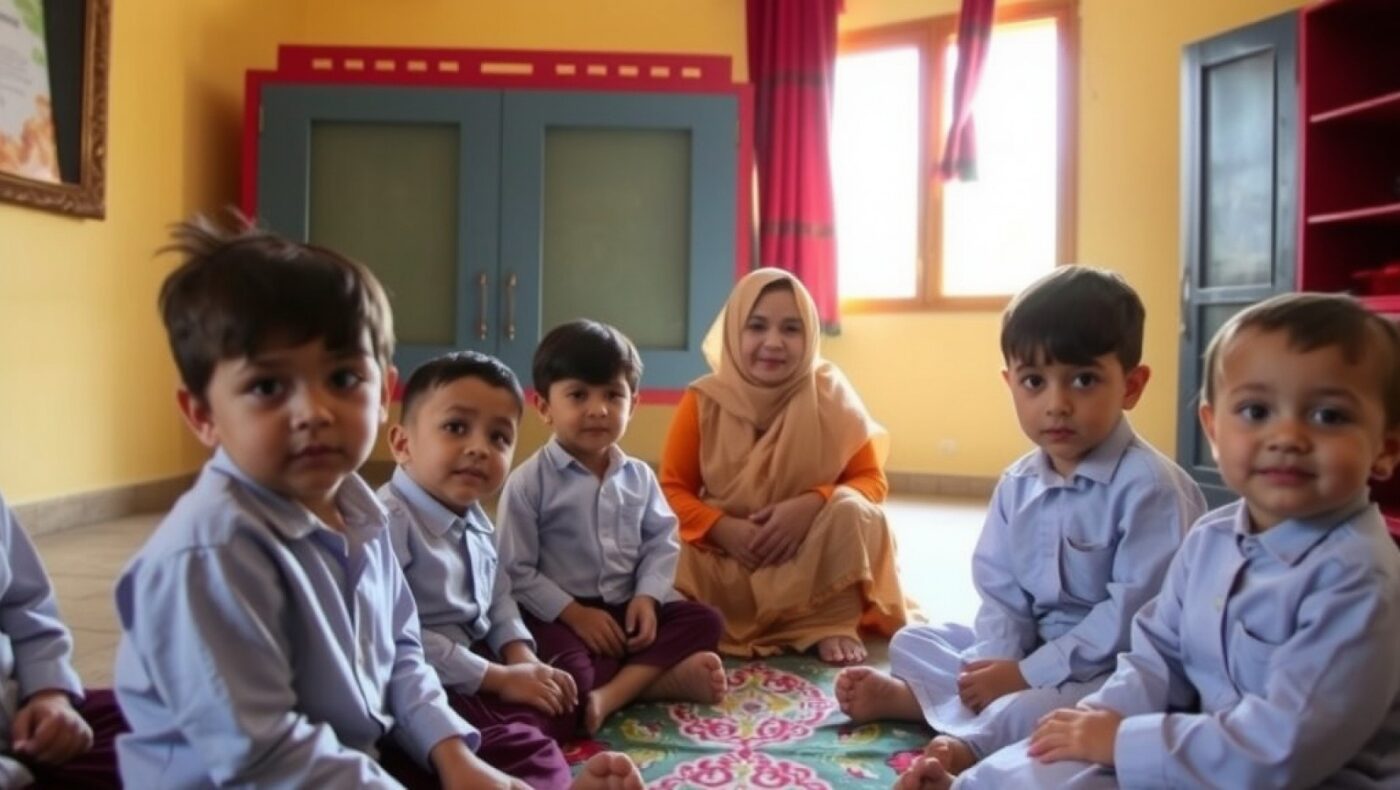
If you are asking about the school admission age in Pakistan, you are not alone. Every year, parents wonder when their child should start playgroup, nursery or Class 1, and the answer can feel different from one school to the next. This guide gives you a clear age-by-level overview, explains how to judge readiness, and lists the documents most schools ask for.
One note first: Pakistan does not have a single rule that every private school follows. Ages below are typical ranges. Always confirm the exact cut-off date with the school you are applying to.
Typical Age by Level

Most schools in Punjab, Karachi, Swabi and other cities follow a similar pattern, with the age measured as of the start of the academic year (often April or August, depending on the school).
- Playgroup: about 2.5 to 3 years
- Nursery: about 3 to 4 years
- KG or Prep: about 4 to 5 years
- Class 1: about 5.5 to 6 years
Some schools use slightly different names, such as Pre-Nursery, Montessori or KG 1 and KG 2. The labels change, but the progression of roughly one year per level stays the same.
Playgroup and Nursery
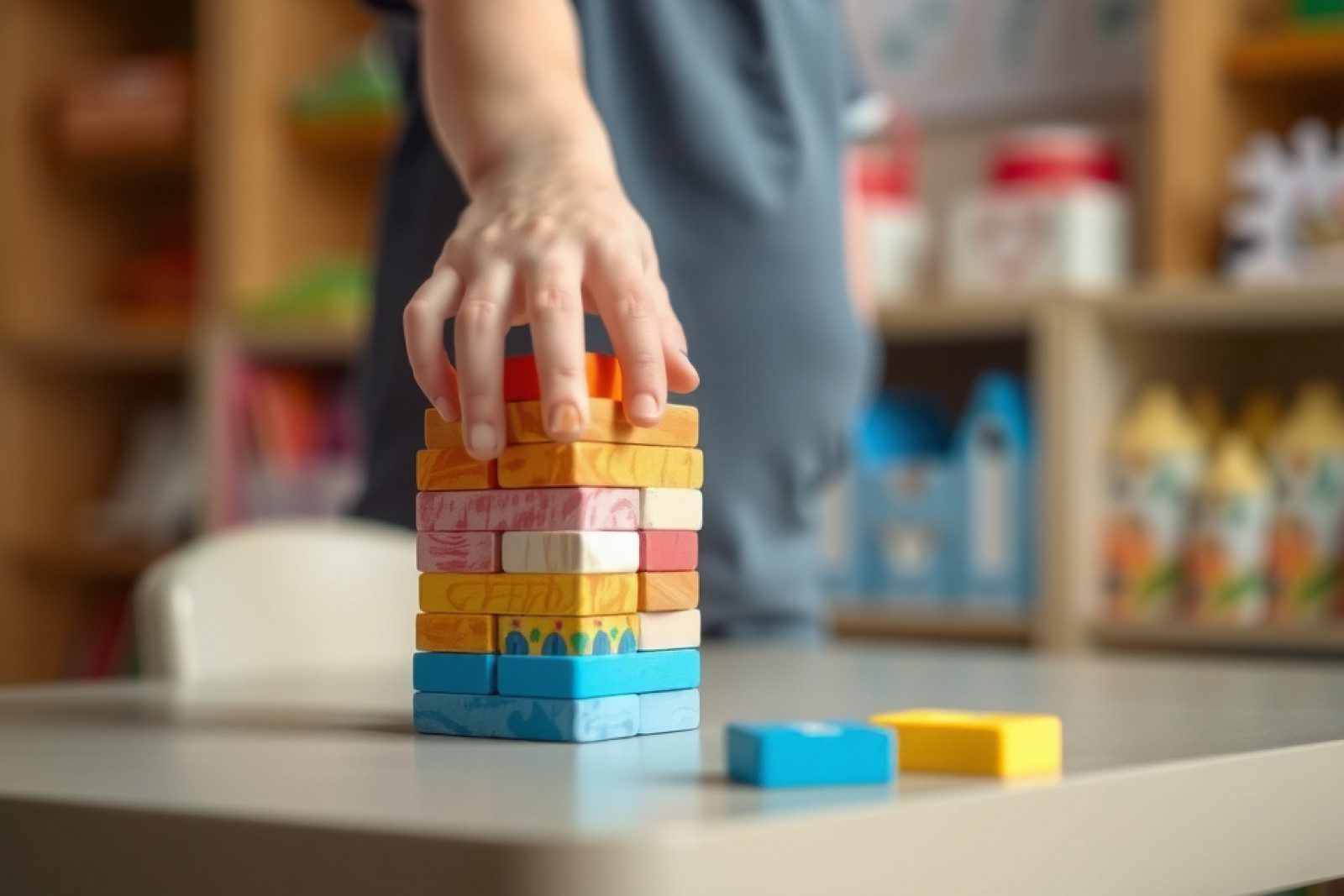
Parents often ask, what age can a child start nursery in Pakistan? Most schools accept children into playgroup from around 2.5 to 3 years, and into nursery at 3 to 4 years. Playgroup is a gentle introduction. Children learn to separate from parents for a few hours, play with others, follow simple routines and enjoy songs, stories and sensory activities.
Nursery builds on this with early language, number recognition, pencil grip, colors, shapes and good habits such as sharing and tidying up. If you are wondering when to enroll your child in pre-school, a good sign is that your child can communicate basic needs, shows curiosity about other children, and manages short periods away from you.
A child-centered pre-school should not push formal writing at this stage. Look for play-based learning, small groups and teachers who give personal attention.
Prep and Class 1
The KG age requirement in Pakistan is usually 4 to 5 years. In this stage, children begin to recognize letters and sounds, count objects, hold a pencil with control and follow multi-step instructions. Many schools call this year Prep.
For Class 1 admission age, most schools expect a child to be about 5.5 to 6 years old. Some accept children who turn 5 or 6 during a specific window, such as before 31 March or 31 July. Because cut-off dates vary, ask the admissions office early rather than assuming.
Age vs Readiness
Age is a useful guide, but it is not the full picture. Two children of the same age can be at very different stages. Instead of focusing only on a birthday, consider these signs:
- Social readiness: plays alongside others and begins to share
- Emotional readiness: can handle small frustrations and separation with comfort
- Language: speaks in short sentences and follows simple instructions
- Independence: can use the washroom, eat with minimal help and carry a small bag
- Physical skills: holds crayons, scribbles, runs and climbs safely
If your child is on the younger side of a cut-off, an extra year at home or in a gentle playgroup can build confidence. If your child is ready and curious, starting on time is perfectly fine. Parents who want to understand how schools are built around this stage may also enjoy our guide on how schools are set up in Pakistan, which shows how classes and age groups are planned.
At The Right School, we focus on child-centered learning, smaller class sizes and Personal, Social and Emotional Development (PSED), so each child is supported at their own pace.
Documents Needed for Admission
Requirements differ, but most schools ask for the following:
- Child’s birth certificate or B-Form (NADRA)
- Copies of both parents’ CNICs
- Recent passport-size photographs of the child
- Previous school leaving certificate and report card (for Class 1 and above)
- Immunization card (common for early years)
- Completed admission form and any registration fee
Keep extra photocopies ready, and check whether the school holds a short meeting or play-based assessment. For young children, this is usually informal and meant to understand how your child interacts.
Next Steps for Parents
Start by noting your child’s date of birth against the school’s cut-off date, then visit the school, meet the teachers and ask how they support new learners. For more parent-friendly reading, browse our Blog and our Lifestyle section for tips on routines, school readiness and family life.
To explore pre-school, primary and elementary programs with values-based learning, scholarship options and affordable fees, contact The Right School in your city and book a visit today.