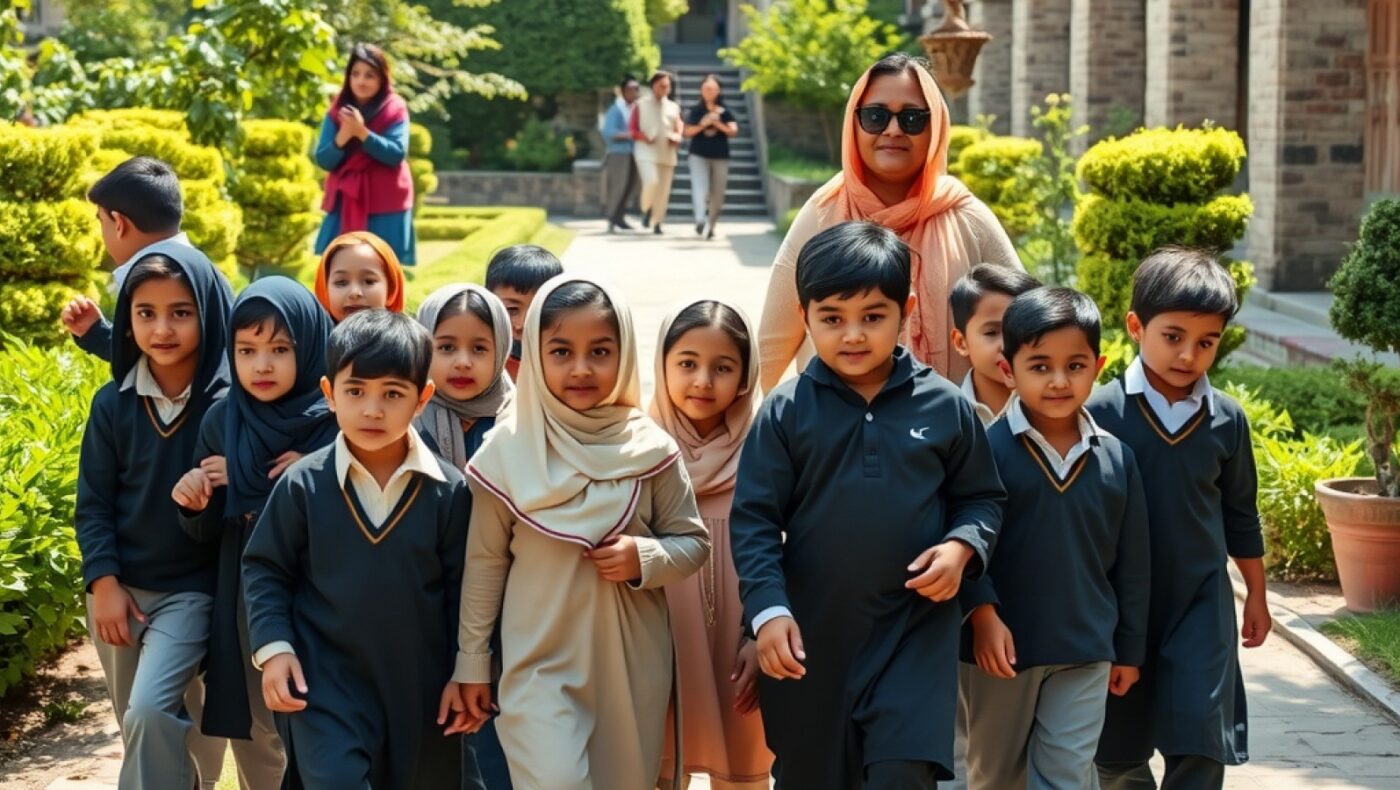
Educational excursions for school students turn lessons from a page into a real experience. A child who has stood inside a fort, walked through a farm or watched a working mill remembers far more than one who only read about it. At The Right School (TRS), we see excursions as a core part of child-centered learning, not a day off from study. This guide explains why trips matter, which ideas suit each age group, and how schools and parents can make every outing safe and meaningful.
Why Excursions Matter for Learning
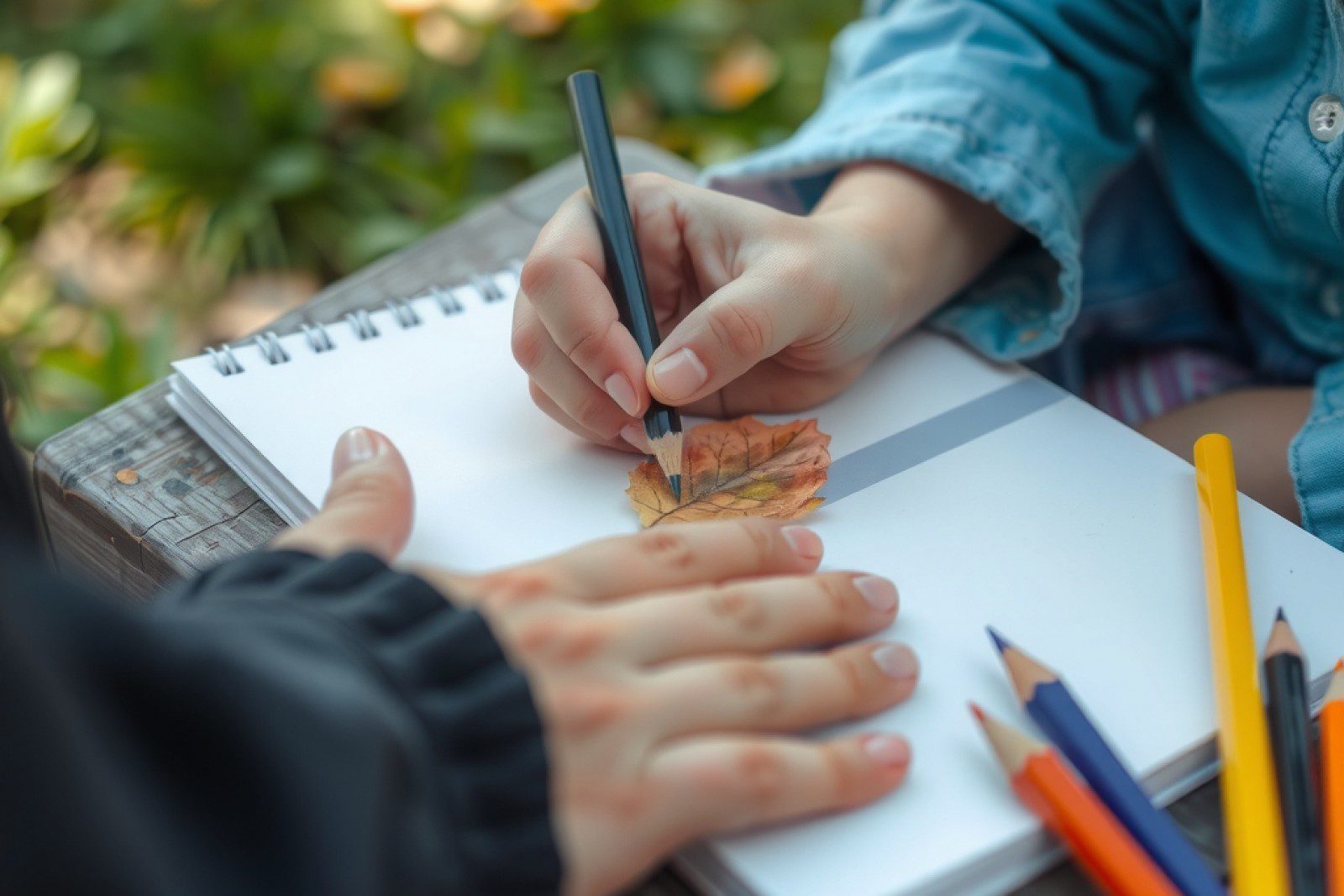
Learning outside the classroom engages sight, sound, touch and movement together. When children connect a topic to a real place, the concept sticks. A science lesson on plants feels different after a visit to a nursery, and a history chapter comes alive at a heritage site.
Excursions also answer the question children often ask: “Why do we need to learn this?” Seeing mathematics in a market, or geography in a river valley, shows them that school knowledge belongs to the world around them.
Many of the best school activities share this idea: learning is strongest when children do, see and discuss, rather than only listen.
Benefits for Confidence and Social Skills
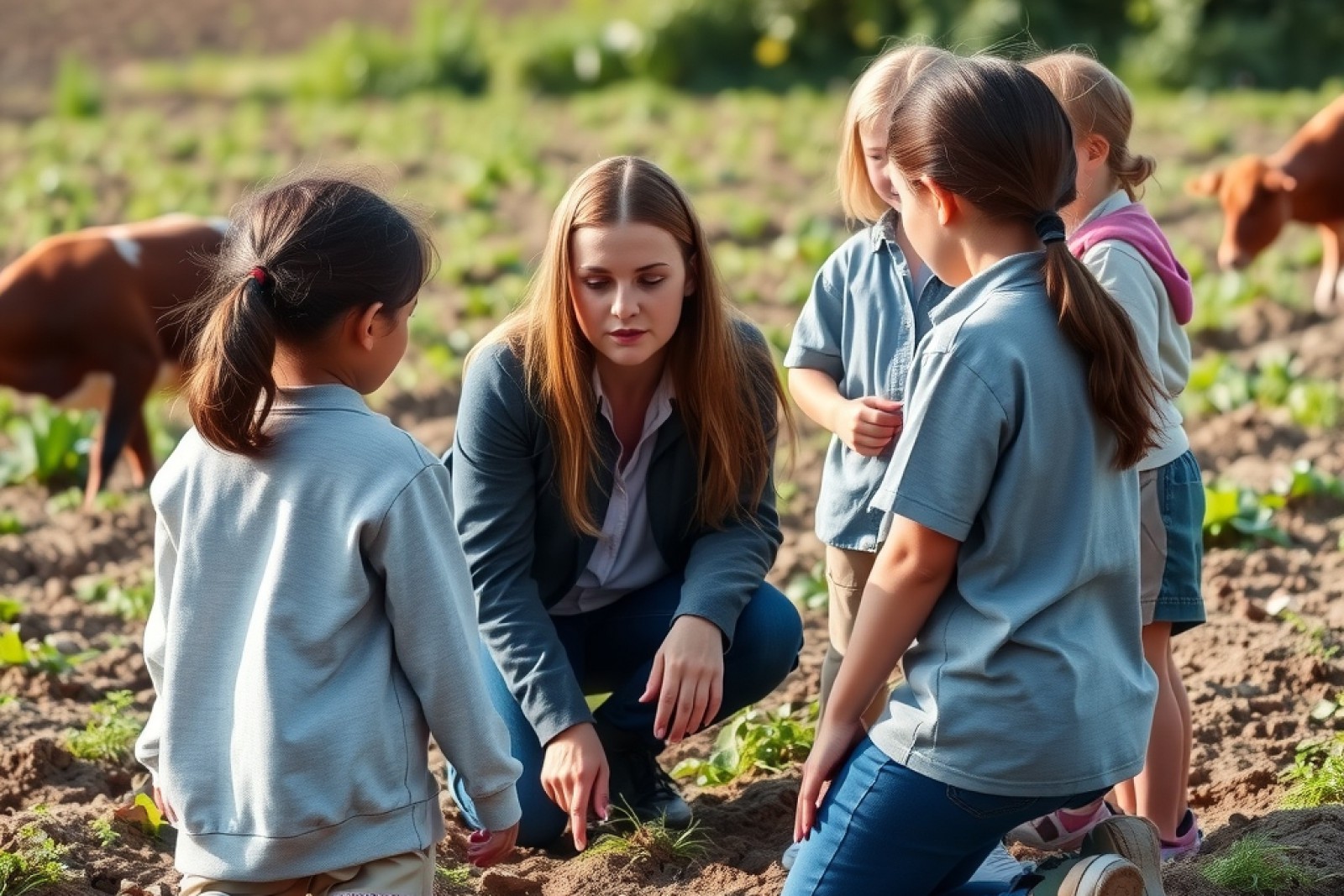
The benefits of educational trips for children go well beyond academics. Out of the usual setting, shy students often speak up, and quieter children find their own strengths.
- Confidence: Asking a guide a question or presenting what they found builds a child’s voice.
- Teamwork: Walking in pairs, sharing tasks and helping classmates builds cooperation.
- Independence: Carrying their own bag and following a plan encourages responsibility.
- Character and values: Trips are natural moments to practise gratitude, respect for others, care for the environment and good manners in public places.
- Emotional growth: Handling excitement, waiting turns and adapting to change supports personal, social and emotional development.
Excursion Ideas by Age Group
The right trip depends on a child’s age and attention span. Here are field trip ideas and school trip ideas in Punjab and across Pakistan that can be adapted to your city.
Pre-school and Early Years
- A neighbourhood walk to spot trees, birds, shops and helpers such as the postman or baker.
- A visit to a local park or garden to collect leaves and talk about seasons.
- A small farm or orchard visit to see animals and fruit growing.
Primary School: Field Trip Ideas for Primary School
- A bakery, dairy or flour mill to see how everyday food is made.
- A museum or heritage site such as a historic fort or old city area, with a simple observation worksheet.
- A botanical garden or zoo for a lesson on habitats.
- A fire station or local library to understand community services.
Elementary and Middle Years
- A science centre or water filtration plant to link classroom science to daily life.
- A historical city walk, where students take notes and later write a short report.
- A visit to a local craft workshop to learn about traditional arts.
Higher Secondary
- A visit to a university lab, industry or business unit to explore career paths.
- A community service trip, such as a tree plantation or a clean-up drive.
- A nature trek or camp that builds leadership and resilience.
Safety Planning for School Trips
Parents rightly ask how schools keep students safe on excursions. Good planning answers this before the bus leaves.
- Visit the site first. A teacher should check entry points, washrooms, prayer space, shade and any risks.
- Get written parental consent. Share the destination, timings, cost and teacher contact numbers clearly.
- Keep a safe adult-to-student ratio. Younger children need more supervisors. Assign each adult a fixed group.
- Use a reliable, well-maintained vehicle with a responsible driver and no overcrowding.
- Count students often. Check at departure, on arrival, after each stop and before returning.
- Prepare for health and weather. Carry water, a basic first-aid kit and plan for heat or rain, especially in Punjab’s summer.
- Give simple rules. Stay with your group, never wander off and listen to the teacher.
Safety is one of TRS’s core focus areas, and it shapes how we plan every outing across our campuses.
How Parents Can Support Trip Learning
Parents play a big role in making a trip valuable.
- Talk about the destination beforehand and ask what your child hopes to see.
- Pack light, comfortable clothes, a water bottle and a healthy snack, and follow the school’s instructions.
- After the trip, ask open questions: “What surprised you?” or “What would you like to know more about?”
- Encourage your child to draw, write or tell the story of the day to the family.
These small conversations help children turn an exciting day into lasting understanding.
Linking Trips to the Classroom
A trip is most powerful when it sits inside a learning plan. Before the visit, teachers introduce key words and questions. During it, students observe, sketch and take notes. Afterwards, the class reflects through discussions, posters, presentations, short stories or science write-ups.
This before, during and after approach ensures the excursion supports curriculum goals in languages, science, social studies and values education. It also fits the standardized yet child-centered approach followed across the TRS network, and anyone interested in how such programmes are built into a school can read our guide to opening a school in Pakistan.
For more ideas on learning, parenting and school life, browse the TRS blog.
Final Thoughts
Well-planned educational excursions for school students build knowledge, confidence, teamwork and character together. With age-appropriate ideas, careful safety planning and parent involvement, a single day out can inspire a child for years. To see how TRS brings learning to life through trips and activities, explore our schools and visit the Activities section for more.