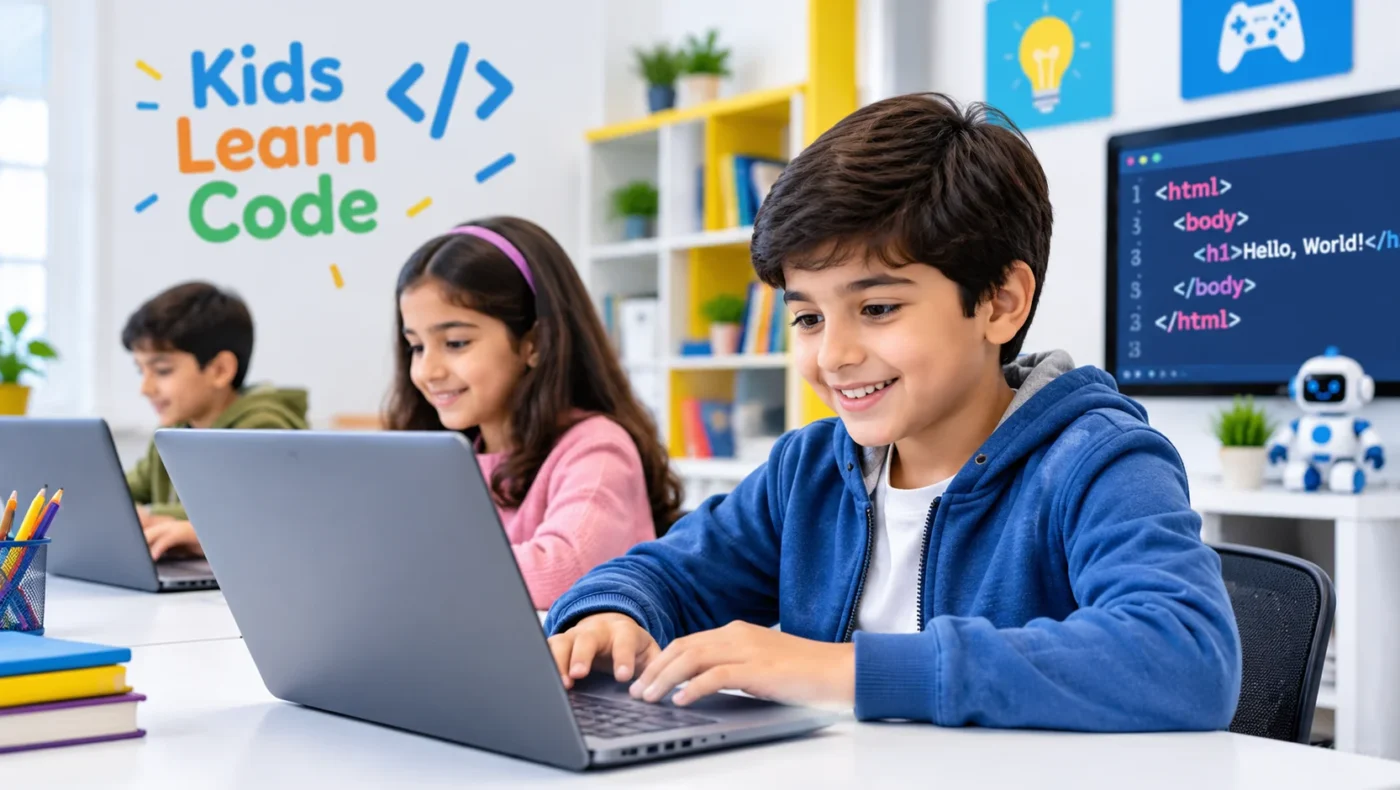
If you are searching for coding classes for kids in Pakistan, you are probably asking three things: is it worth it, when should my child begin, and how do I pick a program that actually works? This guide answers each one in plain language, so you can decide with confidence.
Why Coding Matters for Children Today
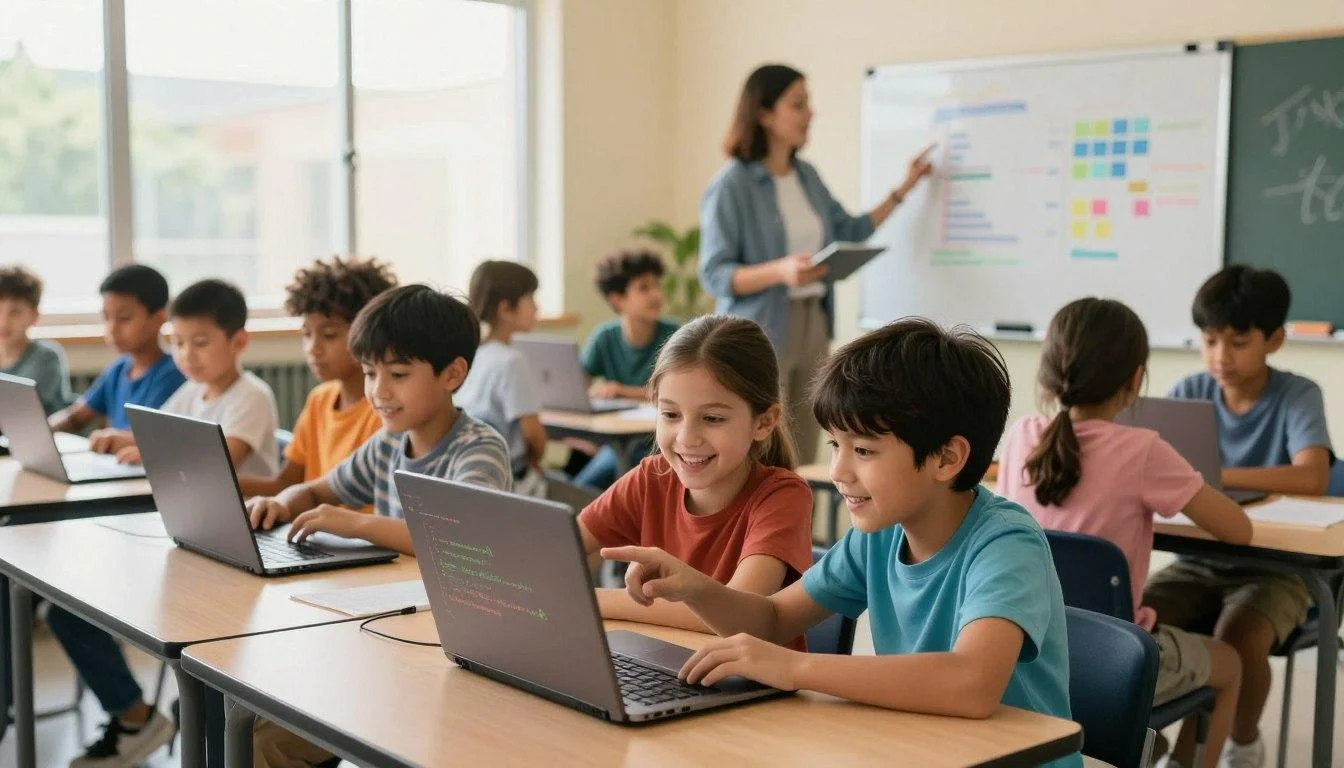
Coding is no longer only for future software engineers. It is a way of thinking. When children learn to code, they practise breaking a big problem into small steps, spotting mistakes, and trying again until something works. These habits help in maths, science, writing and everyday decisions.
For many Pakistani families, there is also a practical side. Digital skills are useful in almost every career path, and children who are comfortable with technology early tend to approach it with curiosity rather than fear. Learning to code also turns children from passive screen users into creators who build their own games, stories and small apps.
Are coding classes worth it for children?
They can be, when the class is structured, age-appropriate and taught by someone who understands children. A good class builds logic, patience and confidence. A poor one is just a child copying instructions on a screen. The difference lies in the teaching approach, which we cover below.
Best Age to Start Coding
There is no single perfect age, but most children are ready for formal kids programming classes once they can read simple instructions and follow a sequence. Here is a practical guide:
- Ages 4 to 6: Screen-free activities such as sequencing cards, pattern games and simple “give the robot directions” play. This builds the foundation of logical thinking.
- Ages 7 to 9: Visual, block-based tools such as Scratch for kids. Children drag and snap blocks together to make animations, stories and simple games.
- Ages 10 to 12: Moving from blocks toward text-based coding, often starting with beginner-friendly languages, plus basic web pages and more complex projects.
- Ages 13 and above: Deeper programming, problem solving and larger personal projects.
So the best age to start coding classes for kids is often around 7, with playful logic activities beginning earlier. Every child is different, so watch for interest rather than chasing a number.
What Kids Learn in Beginner Coding Classes
In a good beginner course for primary school students, children usually learn:
- Sequencing: putting steps in the right order so a program works.
- Loops: repeating an action without rewriting it.
- Conditions: making a program react, such as “if the character touches the star, add a point.”
- Debugging: finding and fixing errors calmly.
- Creative projects: building a short story, quiz or simple game to share with classmates.
Notice that the goal is understanding, not memorising code. Children who grasp these ideas can move between tools and languages later with ease.
Screen Time and Balanced Learning
Many parents worry that coding means more hours in front of a screen. This is a fair concern. The answer is balance. Quality coding lessons are short, purposeful and mixed with offline thinking, group discussion and hands-on activities. Time spent creating something is very different from time spent scrolling.
Look for programs that include unplugged activities, teamwork and presentations. Children should also keep time for reading, outdoor play, family and, where relevant, Quran study. A school-based program makes this balance easier because coding sits inside a full day that already includes arts, play and character building.
How to Choose a Coding Class
Scattered online tutorials can be tempting because they are cheap or free, but they rarely give young learners structure. When comparing options for coding in schools in Pakistan or after-school programs, ask these questions:
- Is there a clear curriculum? Progress should move step by step, not randomly from video to video.
- Is it age-appropriate? A seven-year-old and a twelve-year-old need very different lessons.
- Are class sizes small? Children get stuck often, and they need a teacher who notices.
- Does the teacher give feedback? Real guidance matters more than pre-recorded content.
- Are projects shared? Showing work builds confidence and communication.
- Is it integrated with school life? A school-based class is easier to attend consistently and supports what children learn in maths and science.
If you are looking for coding classes for kids in Punjab, also consider travel time and schedule. A class your child can attend regularly will always beat a better one they keep missing.
Coding Classes at TRS
At The Right School (TRS), coding classes are one of the enrichment programs offered alongside our core academics, Hifz and Nazra classes, language learning and our Personal, Social and Emotional Development (PSED) program. We believe technology should support a child-centered, values-based education, not replace it. Smaller class sizes mean teachers can give personal attention, and children learn to use technology thoughtfully, with good character and safety in mind.
You can explore more school life, clubs and enrichment in our Activities section, and find more parenting and learning guidance in our Blog.
Are you an entrepreneur who wants to bring programs like these to your own community? Read How to Open a School in Pakistan: The 2026 Guide to see what it takes to start.
Next Step for Parents
Start by observing your child. Do they enjoy puzzles, building things or making up stories? If so, a structured coding class may suit them well. Visit a TRS campus, ask about our coding classes, and see how they fit into a balanced school day. A short conversation with our team can help you choose the right starting point for your child’s age.