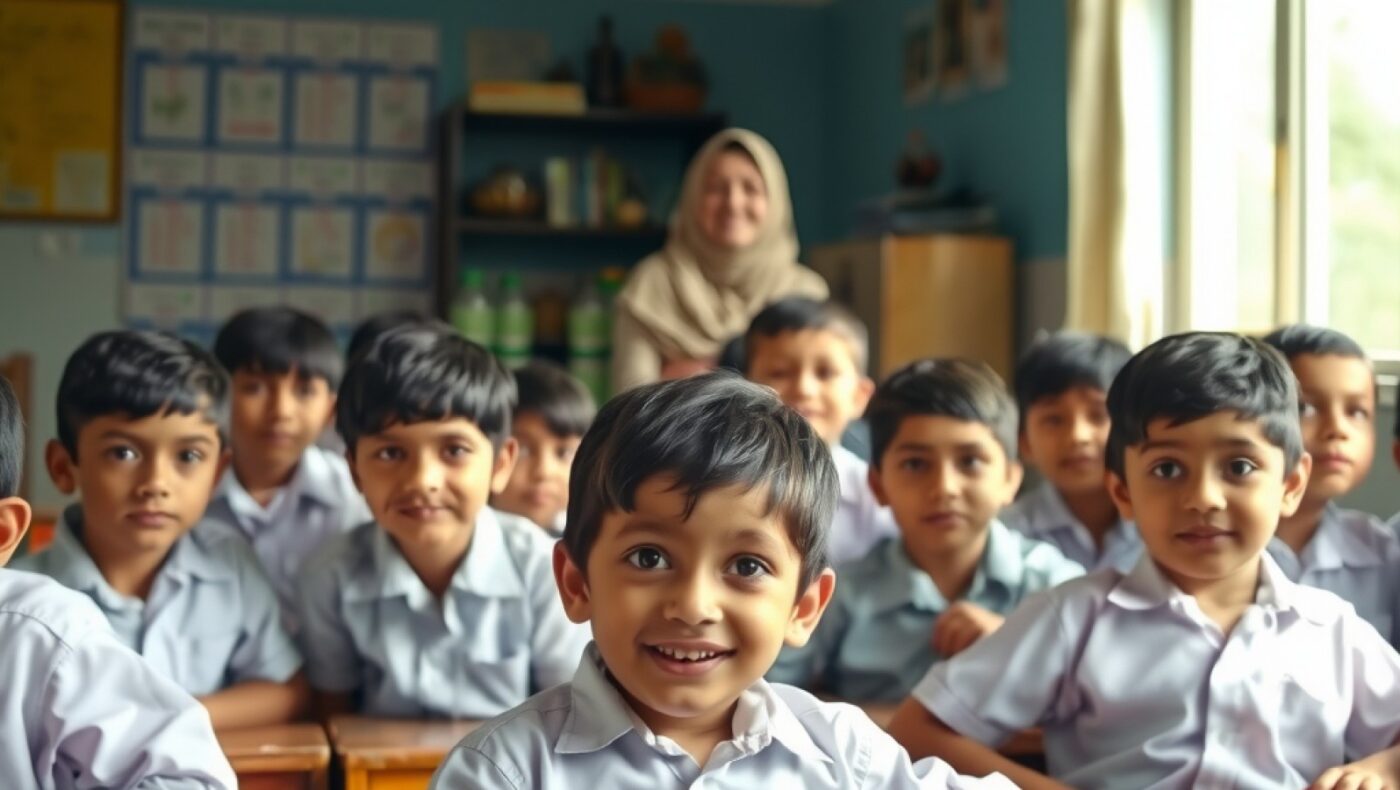
Every parent wants a child who scores well and also grows into a kind, honest and respectful person. That is why many families search for an Islamic values school in Pakistan. But what does such a school actually look like on an ordinary Tuesday morning? This guide explains what you should expect, how values and academics fit together, and how to tell a genuine school from one that only uses the label.
What Is an Islamic Values School?
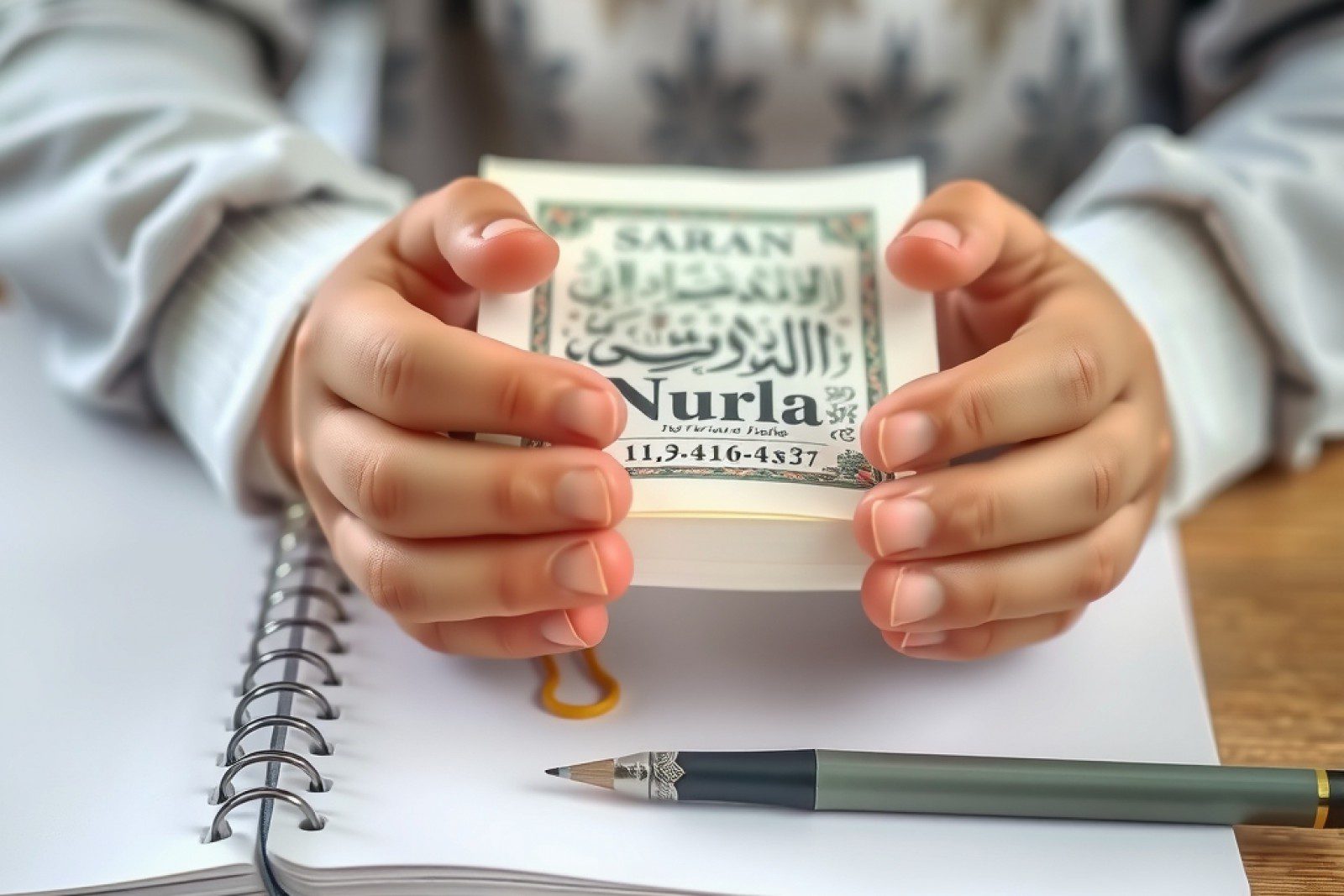
An Islamic values school is one where faith-based character is part of daily school life, not just a subject on the timetable. Children learn core teachings such as honesty, gratitude, respect for elders, kindness to others and responsibility, alongside a strong modern curriculum.
It is not the same as a school that only offers an extra Islamiyat period. In a values-based education model, the same principles show up in the classroom, the playground, the assembly and the way teachers speak to students. Moral education for kids works best when children see it practised, not only hear it explained.
Daily Practices That Build Character
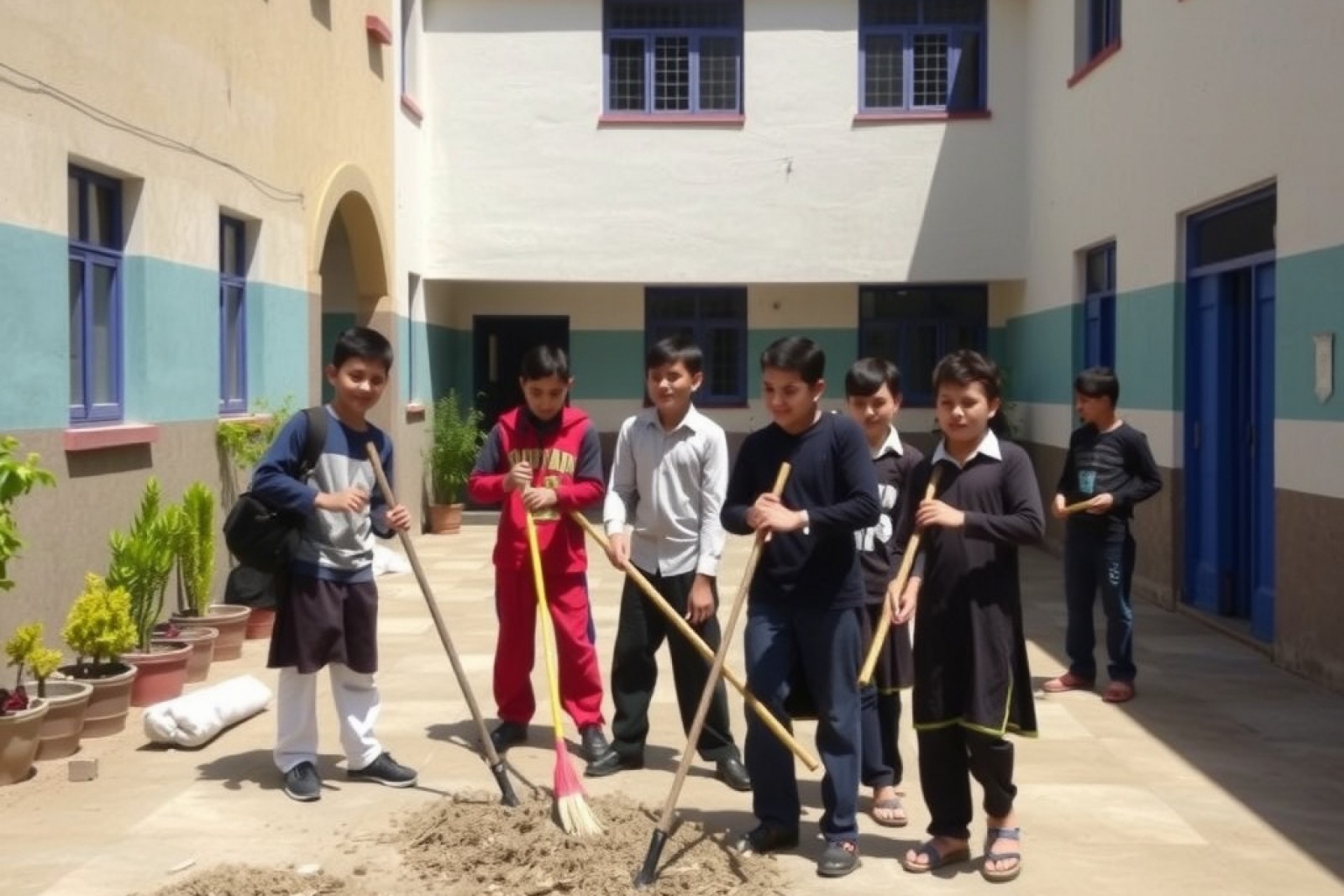
Character development in schools happens through small, repeated habits. Here are examples you should expect to see:
- Morning routines: a short dua, a Quran recitation or a talk about a value of the week.
- Islamic manners for kids at school: greeting with salam, saying bismillah before meals, waiting for a turn, and thanking staff.
- Prayer opportunities: age-appropriate guidance on salah and a calm space for it.
- Service tasks: classroom helpers, keeping the campus clean and looking after younger students.
- Storytelling: lessons from the Seerah and the lives of the Sahaba, linked to everyday situations.
Character building activities in primary school can also include group projects, charity drives and school events where children practise teamwork and humility. You can see the kind of activities schools organise in our school activities section.
Balancing Academics and Islamic Learning
A common worry is the balance between Islamic and modern education in Pakistan. Parents do not want to choose between Quran learning and strong English, maths, science and technology. A good school shows both are valued.
Look for a clear timetable where core subjects get proper time and Islamic studies are taught with the same care. Many families also want options such as Hifz and Nazra classes, language learning and coding classes, so children can build faith and future skills together. At The Right School, our network offers pre-school through higher secondary, with Hifz and Nazra classes, coding and Advanced Placement courses available as part of our programs.
A balanced Islamic school curriculum in Pakistan should also respect each child’s pace. Smaller class sizes help teachers give personal attention, so a child who struggles with Quran reading or with fractions is supported rather than rushed.
Role of Teachers as Role Models
Children copy what adults do. That makes teachers the most important part of how schools teach Islamic values to children. A teacher who speaks gently, admits mistakes, keeps promises and treats every child fairly teaches more than any textbook.
Ask how staff are selected and guided. Schools with strong values give teachers ongoing training in child-centered methods, positive discipline and emotional support. Discipline should correct and guide, never humiliate. Personal, social and emotional development (PSED) is a useful framework here, because it teaches children to name feelings, solve conflicts and show empathy.
How Parents Can Reinforce Values at Home
School can only do part of the work. Children thrive when home and school send the same message. Try these simple steps:
- Pray and recite Quran together, even for a few minutes each day.
- Practise adab at the dinner table: bismillah, sharing and thanking the cook.
- Talk about the school’s value of the week and ask your child for examples.
- Model honesty, including in small things like keeping your word.
- Praise effort and kindness, not only marks.
More ideas for family routines and parenting can be found in our lifestyle articles.
Questions to Ask a School About Values
When you visit, go beyond the brochure. These questions reveal how real the commitment is:
- How are values taught in the daily routine, and not only in Islamiyat class?
- What is the class size, and how do teachers give individual attention?
- How does the school handle bullying, lying or disrespect?
- Is there a safe, caring environment, with attention to arts and activities?
- What Quran, Hifz or Nazra options are offered, and who teaches them?
- How is academic progress shared with parents?
- Are fees affordable, and are scholarship options available?
Signs of a genuine school include calm classrooms, polite students, teachers who know each child by name and open communication with parents. Be cautious if the school talks about values but cannot explain how they appear in daily practice.
A Note for Aspiring School Owners
If you are an entrepreneur who shares this vision, a values-based school can also be a meaningful venture. Read our guide on how to open a school in Pakistan to understand the steps involved, and explore the TRSC Franchise with standardized education and ongoing head-office support.
Final Thoughts
The best Islamic values school in Pakistan is one where faith, character and academics support each other every day. Visit schools, observe classrooms, ask honest questions and choose the place where your child feels safe, respected and inspired. To learn more about The Right School in Punjab, Swabi, Karachi, Jhelum, Burewala and beyond, contact our team and arrange a visit.